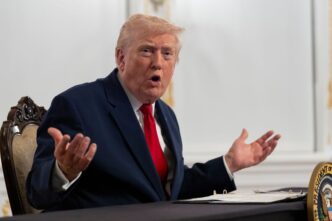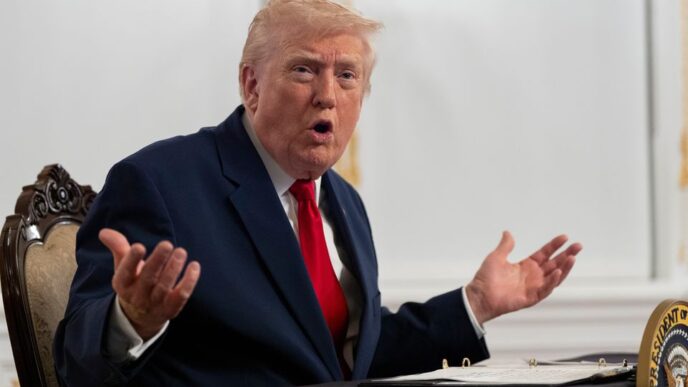


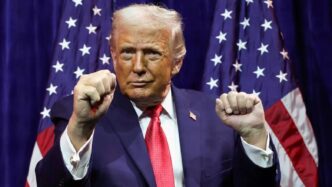
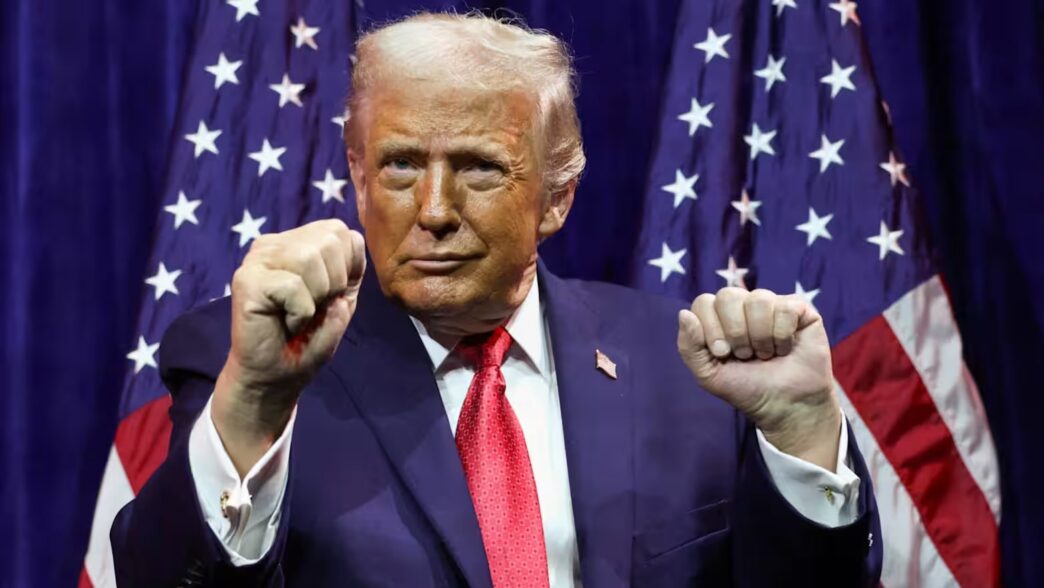
The United States has taken a step back from global cooperation after President Donald Trump ordered a sweeping withdrawal from dozens of international organizations, including key United Nations bodies.
On Wednesday, President Trump signed an executive order suspending U.S. funding and participation in 66 international organizations, agencies, and commissions.
The decision followed an internal review of America’s involvement in global institutions, according to a White House release.
The move has sent shockwaves through diplomatic circles and raised fresh questions about Washington’s role on the world stage.
Many of the affected bodies are linked to the United Nations. These include agencies focused on climate change, labor rights, migration, and population issues.
However, the administration argues these institutions no longer serve U.S. interests and instead promote agendas it strongly opposes.
According to Secretary of State Marco Rubio, the decision was based on deep concerns about how these organizations operate.
“The Trump Administration has found these institutions to be redundant in their scope, mismanaged, unnecessary, wasteful, poorly run, captured by the interests of actors advancing their own agendas contrary to our own, or a threat to our nation’s sovereignty, freedoms, and general prosperity,” Rubio said in a statement.
Moreover, several non-U.N. bodies were also targeted. These include the Partnership for Atlantic Cooperation, the International Institute for Democracy and Electoral Assistance, and the Global Counterterrorism Forum.
Funding and participation in these groups have now been suspended indefinitely.
This latest action fits into a broader pattern under Trump’s foreign policy approach. In recent months, the administration has taken bold steps that unsettled both allies and rivals.
These include the controversial removal of Venezuelan President Nicolás Maduro and renewed interest in acquiring Greenland. Therefore, the withdrawal from international organizations appears to be part of a wider shift.
Meanwhile, the administration had earlier suspended support for major agencies such as the World Health Organization, UNRWA, the U.N. Human Rights Council, and UNESCO. Instead of full engagement, the U.S. has adopted a selective approach to paying dues, supporting only operations aligned with Trump’s agenda.
“I think what we’re seeing is the crystallization of the U.S. approach to multilateralism, which is ‘my way or the highway,’” he said. “It’s a very clear vision of wanting international cooperation on Washington’s own terms.”
However, critics warn that the US withdrawal from UN agencies could weaken global responses to shared challenges. Issues like health crises, migration, and climate risks may become harder to manage without American leadership.
In addition, supporters of the policy argue it protects national sovereignty and reduces wasteful spending.