

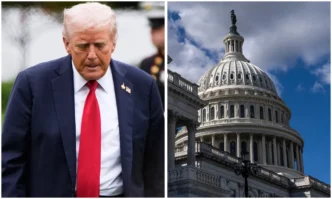
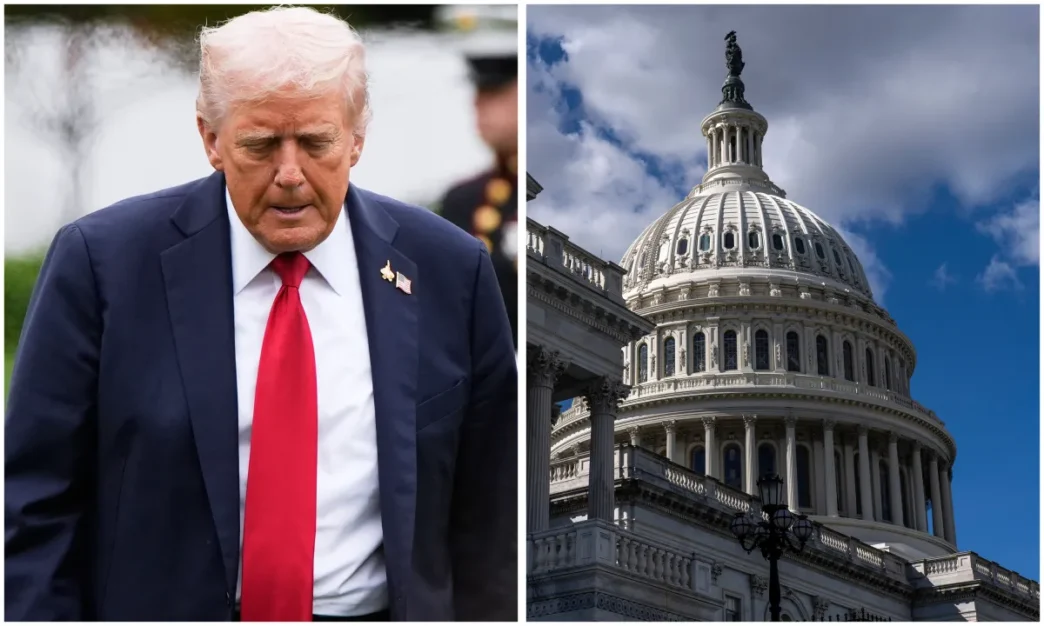
Republicans in the U.S. Senate have halted an attempt to limit President Donald Trump’s authority to use military force in Venezuela.
The move came despite rare bipartisan backing and has stirred fresh debate over presidential war powers.
The blocked resolution followed a surprising procedural vote last week. Five Republican senators had joined Democrats to advance the measure.
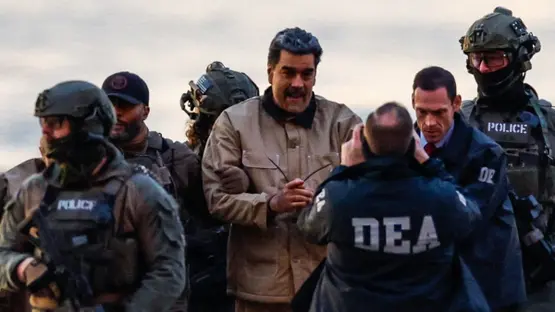
That development was widely seen as an unusual setback for Trump after a U.S. operation led to the capture of Venezuelan leader Nicolas Maduro.
However, momentum quickly faded. On Wednesday, Senate Republicans used a procedural maneuver to remove the resolution’s “privileged” status.
As a result, the measure now requires 60 votes to pass, instead of a simple majority. Therefore, approval became almost impossible in the closely divided chamber.
The vote was viewed by many lawmakers as a response to Trump’s decision to authorize the operation without briefing the Senate Armed Services Committee.
Moreover, frustration grew over what critics described as a lack of transparency surrounding U.S. actions in Venezuela.
Trump reacted swiftly. He criticized Republican senators who supported the measure and warned they should “never be elected to office again.”
Meanwhile, the White House launched intense lobbying efforts to ensure the resolution failed.
Democratic Senator Tim Kaine, who introduced the measure, strongly condemned the move.
“Trump claims his war in Venezuela is righteous. If that’s the case, why is he browbeating his party into using a procedural scheme to avoid a debate and vote in Congress in front of the American people?” he said.
Kaine explained that the resolution aimed to reaffirm Congress’s constitutional role in declaring war.
In addition, it would have required Trump to seek approval before further military action in Venezuela.
However, two Republican senators later withdrew support after assurances from Secretary of State Marco Rubio.
Rubio reportedly told lawmakers there were no plans to deploy ground troops.
Furthermore, he said Congress would be consulted if that position changed. Those assurances helped weaken bipartisan backing for the proposal.
Even if it had passed, the measure was largely symbolic. It faced defeat in the Republican-controlled House and a likely presidential veto. Therefore, its chances of becoming law were slim.
The White House defended the operation as lawful. Officials said it was part of a broader fight against drug trafficking and designated terrorist groups.
Since Trump returned to office, similar efforts have failed multiple times. Over the past century, only the 1973 War Powers Resolution has meaningfully limited unilateral military action.