


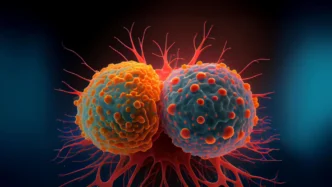
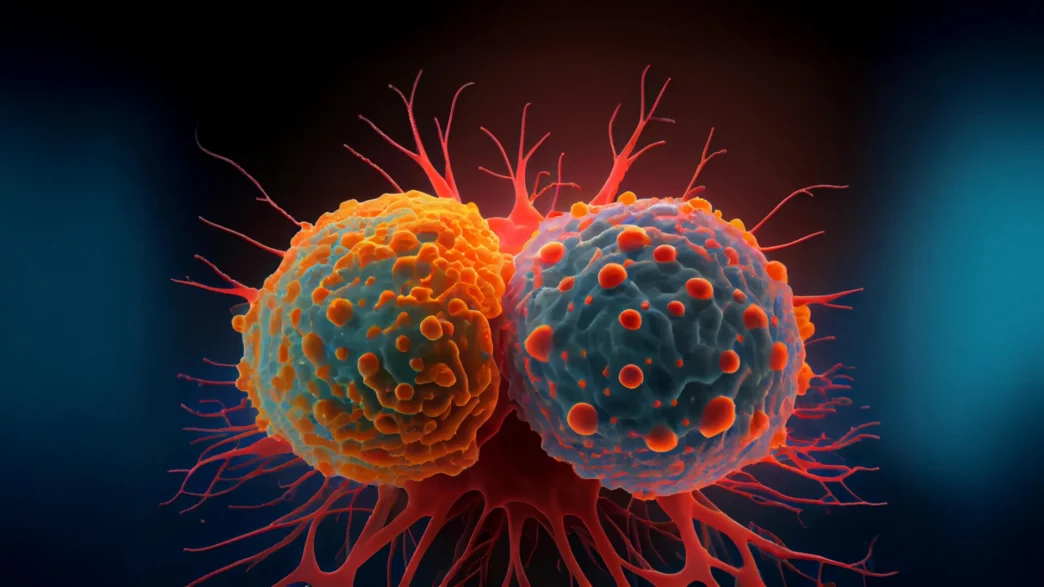
In a finding that has surprised cancer researchers worldwide, scientists have uncovered a hidden survival mechanism that allows cancer cells to endure treatment and return stronger.
The discovery challenges long-held beliefs about how tumours respond to modern therapies.
For decades, drug resistance has remained one of the biggest setbacks in cancer care.
Patients often respond well at first. However, many later face a devastating relapse. Until now, these relapses were largely blamed on slow genetic mutations that develop during treatment.
The new research suggests something far more immediate is happening. According to the study, some cancer cells do not wait to mutate. Instead, they quietly slip into a temporary survival state, endure treatment, and later drive the cancer’s return.
The findings were reported in Nature Cell Biology, a leading scientific journal. The study shows that a specific factor, known as DFFB, plays a key role in helping these so-called “persister cells” regrow after therapy ends.
Importantly, researchers found that DFFB is not needed in normal cells. However, it becomes essential for cancer persister cells to restart tumour growth. This distinction makes the mechanism both alarming and promising at the same time.
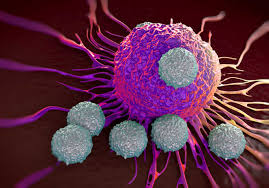
“This changes how we think about resistance,” the researchers noted, explaining that relapse may begin long before treatment appears to fail. As a result, cancer may already be preparing its comeback while therapy is still working.
Moreover, the discovery opens the door to new treatment strategies. By targeting DFFB alongside existing drugs, doctors may be able to prevent tumours from regaining strength after initial success. Therefore, combination therapies could hold the key to longer-lasting responses.
The research was supported by major institutions, including the Department of Defense, the National Institutes of Health, and the American Cancer Society.
Meanwhile, the study also highlights growing collaboration between public research bodies and private biotech firms.
Furthermore, the lead researcher, Hangauer, was identified as a cofounder and consultant linked to a BridgeBio subsidiary, Ferro Therapeutics. This connection was disclosed as part of the study’s transparency requirements.
Experts say the discovery could reshape future cancer treatment plans. Instead of only attacking tumours directly, therapies may also need to block survival pathways that allow cancer to hide.
Although more studies are required, the findings mark a major step forward.