

The European Union has removed Nigeria from its list of high-risk countries for money laundering and terrorism financing. The move places Nigeria among a group of African countries recently cleared after years of financial scrutiny.
The delisting was confirmed on Wednesday by the European Commission, following a review of reforms carried out by affected countries. Nigeria was removed alongside South Africa, Burkina Faso, Mali, Mozambique, and Tanzania.
According to the commission, the countries addressed key weaknesses in their systems. As a result, they now meet global standards set by the Financial Action Task Force.
This outcome comes after Nigeria was removed from the FATF grey list in October 2025. The Nigeria EU high-risk list removal is expected to ease financial pressure on businesses.
Enhanced checks on Nigerian-linked transactions will be lifted from January 29. Therefore, trade flows are likely to improve, while transaction costs may reduce.
For years, Nigerian firms faced extra scrutiny when dealing with European partners. However, that barrier is now set to be reduced, opening more doors for cross-border payments and investments.
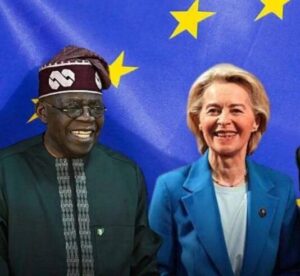
Business Insider Africa reported that the commission described the reforms as sufficient.
Officials said “strategic deficiencies” had been addressed through stronger laws and enforcement. Meanwhile, financial institutions are expected to adjust their risk assessments accordingly.
Reacting to the announcement, Nigeria’s minister of state for finance, Doris Uzoka-Anite, welcomed the decision. She described it as a turning point for the country’s economy and global standing.
“Big win for Nigeria! Removed from EU’s financial ‘high-risk’ list! Congrats to President Bola Tinubu on this achievement,” she wrote on X.
“As minister of state for finance, I’m proud of this boost to trade and investor confidence.”
However, being delisted does not mean oversight ends. Instead, systems must be maintained to avoid future sanctions.
Furthermore, the decision could influence foreign direct investment. Investors often view EU assessments as a trust signal. Therefore, Nigeria’s improved status may encourage new capital inflows.