

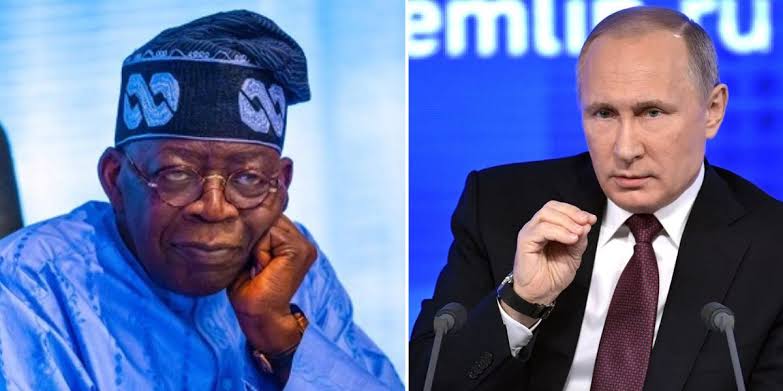
Nigeria is shifting its global strategy, the country is strengthening ties with Russia while facing renewed pressure from the United States.
The development comes after the US issued a fresh travel advisory and reduced embassy operations in Abuja. However, Nigeria appears to be looking beyond traditional partners to secure growth.
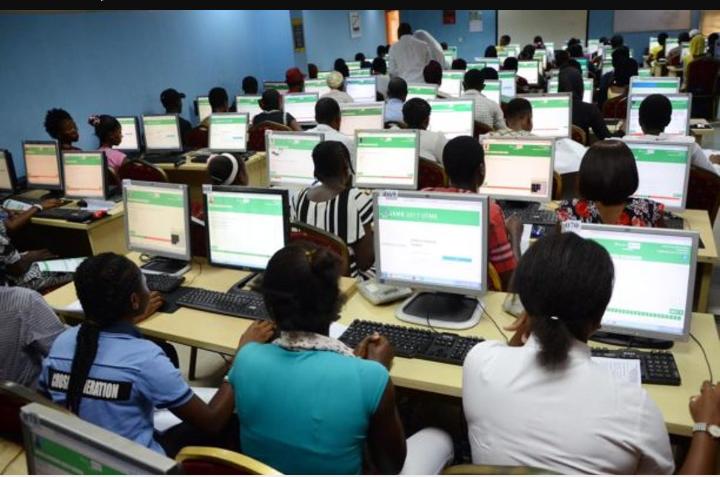
This includes education, trade, and technology, areas seen as critical for long-term development.
Meanwhile, a high-level meeting in Abuja highlighted this new direction. The Minister of State for Budget and Economic Planning, Doris Uzoka-Anite, hosted Russia’s Trade Commissioner, Maxim Petrov.
During the meeting, both sides explored ways to expand cooperation. In addition, discussions focused on investment, skills development, and regional engagement.
Uzoka-Anite stressed Nigeria’s willingness to build diverse alliances. She said, “Nigeria remains open and ready to support innovative approaches that deepen collaboration.”
Furthermore, she noted that existing ties have delivered results but can be expanded further. Technology transfer and human capital development were identified as key priorities.
On the other hand, Russia presented a partnership-focused approach. Petrov revealed that about 200 Nigerian students are already studying in Russia on full scholarships.
Moreover, plans are underway to increase opportunities in areas like medicine, industry, and hospitality. He stated, “We are not here to impose our interests but to understand Nigeria’s priorities and work together as true partners.”
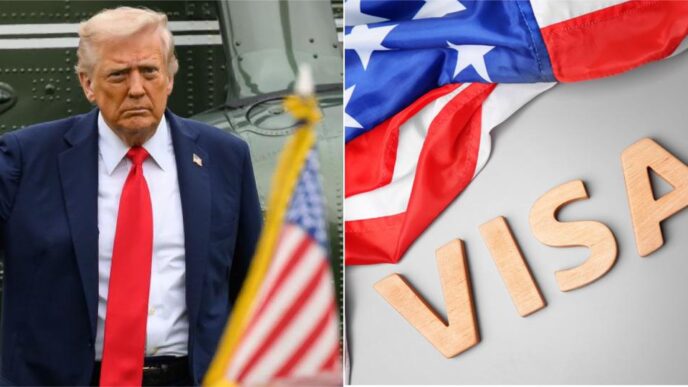
Meanwhile, tensions with the United States continue to shape the situation. Washington maintained a Level 3 travel advisory for Nigeria. Several states were also placed under a “Do Not Travel” warning.
The advisory cited risks such as terrorism, kidnapping, and civil unrest. Consequently, non-essential embassy staff were allowed to leave Abuja.
Therefore, the US decision has raised concerns about Nigeria’s security environment. It may also affect travel, business, and investor confidence in the short term.
In addition, this approach reflects a broader effort to adapt to changing global dynamics. Countries are increasingly forming flexible alliances to protect their interests.