

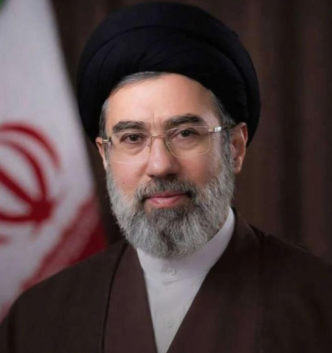
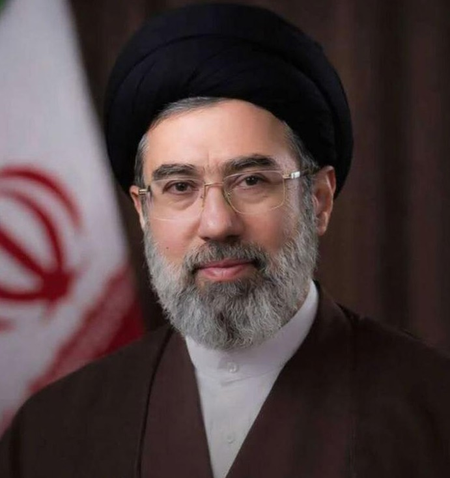
Iran has officially named Mojtaba Khamenei as its new Supreme Leader following the killing of his father, Ayatollah Ali Khamenei. The decision was confirmed on Sunday, March 8, by the Assembly of Experts, the clerical body responsible for choosing Iran’s Supreme Leader under the nation’s constitution.
According to state media reports, the selection followed what officials described as a decisive vote among members of the assembly. The Mojtaba Khamenei new Supreme Leader announcement came just days after the death of his father, who had ruled Iran for more than three decades.
Ali Khamenei served as the country’s Supreme Leader from 1989 until his reported killing in late February.
Meanwhile, the Assembly of Experts released a statement urging citizens to support the new leadership and maintain national unity during the transition. The statement called on the public to stand behind the newly appointed leader.
It also appealed directly to key segments of society. The statement urged Iranians, “especially the elites and intellectuals of the seminaries and universities,” to pledge allegiance to the leadership and help preserve national unity.
However, the appointment has drawn global attention because of the circumstances surrounding the death of the former leader. Ali Khamenei was reportedly killed on February 28 during a joint military operation carried out by the United States and Israel. The strike reportedly targeted leadership facilities in Tehran amid rising regional tensions.
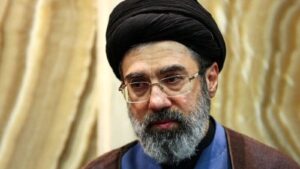
Although official details remain limited, the reported operation significantly escalated geopolitical tensions in the Middle East.
Meanwhile, Mojtaba Khamenei’s potential leadership role had also been the subject of international debate. Before the official announcement, U.S. President Donald Trump had publicly expressed opposition to the idea of Mojtaba becoming Iran’s leader.
According to reports, Trump described him as a “lightweight” and suggested he should not influence the country’s leadership direction. Nevertheless, the Assembly of Experts proceeded with the selection after what it described as an internal vote among members.
Furthermore, the Supreme Leader holds the highest authority in Iran’s political system. The role includes control over major military, political, and religious institutions. Therefore, the new appointment is expected to influence Iran’s relationship with other countries, especially amid ongoing regional tensions.