

A sudden escalation in the Israel Lebanon conflict escalation has raised global concern. Fresh airstrikes on key bridges have signaled a possible expansion of ground operations.
Israeli forces have intensified attacks across southern Lebanon. Furthermore, preparations for broader ground operations have reportedly been set in motion.
According to the Israeli military, the campaign against Hezbollah is now entering a wider stage. Lieutenant General Eyal Zamir confirmed that operations are ongoing and could last longer than expected.
He emphasized that the mission is being carried out based on a structured plan. However, the full scope of the next phase has not been disclosed.
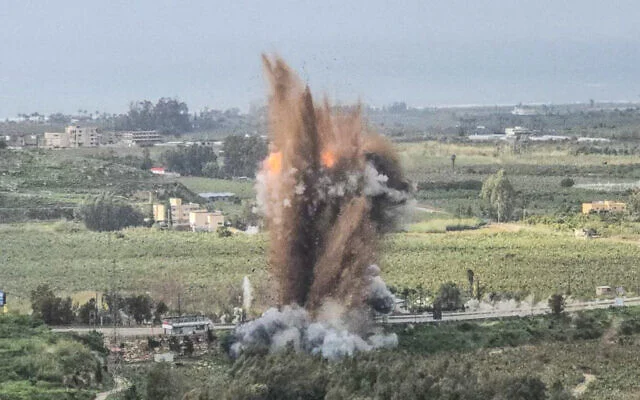
Earlier, several bridges were targeted in coordinated strikes. One bridge near the city of Tyre was heavily damaged after being hit.
According to Lebanese state media, repeated strikes made the bridge unusable. Meanwhile, nearby areas were also affected by additional attacks. Lebanese President Joseph Aoun strongly condemned the strikes. He described them as a serious escalation and a violation of national sovereignty.
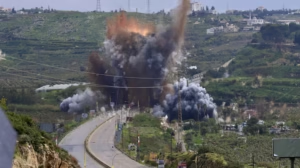
He warned that targeting key infrastructure could signal a larger invasion. In addition, he noted that such actions may isolate southern Lebanon. The conflict has continued to intensify since early March. Israel has carried out airstrikes and limited ground actions across border regions.
Meanwhile, Hezbollah has responded with rocket attacks targeting northern Israel. Therefore, tensions have remained high on both sides.
Israeli authorities stated that the strikes aim to weaken Hezbollah’s operational capacity. Moreover, the destruction of bridges is intended to block movement of fighters and weapons.
Operations have also been reported in other areas, including the Bekaa Valley. Furthermore, some structures in border communities have been demolished. Lebanese officials have reported rising casualties and mass displacement. Over a million people are said to have been affected in recent weeks.
However, Hezbollah has continued its attacks, claiming responsibility for strikes on Israeli positions. The Litani River region has remained a key focus of military activity. These exchanges have further increased fears of a prolonged conflict.