

The Federal Government has urged citizens living in Iran and other Gulf countries to take extra precautions. Moreover, the advisory follows rising military tensions involving the United States and Israel.
The move comes amid reports of airstrikes and retaliatory actions across parts of the Middle East.
However, officials insist the step is purely preventive and focused on citizen safety.
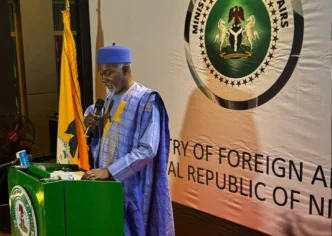
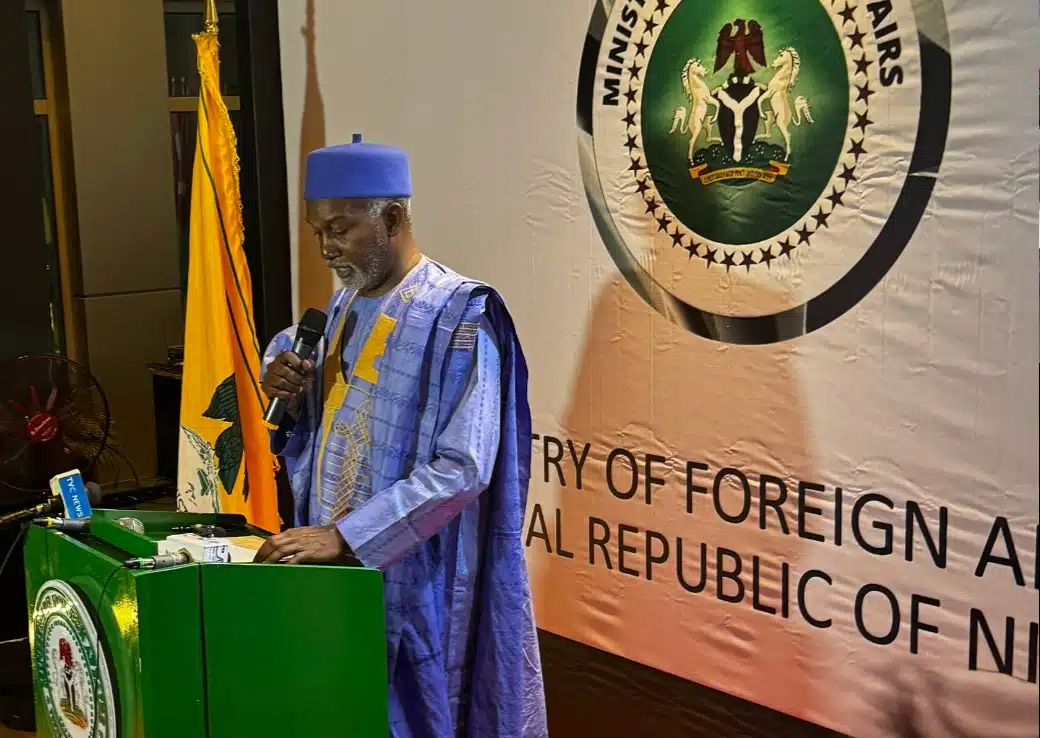
In a statement released by the Ministry of Foreign Affairs on Saturday, authorities said developments are being closely monitored. The Nigeria travel advisory Middle East was issued after military operations were reportedly carried out against targets in Iran.
According to the statement, Nigerians should remain alert and avoid sensitive locations. These include military bases and government buildings, which could become flashpoints. Furthermore, citizens were advised to limit non-essential travel.
Public gatherings and demonstrations should also be avoided until calm is restored. In addition, cooperation with local security agencies was strongly recommended. Officials noted that following official instructions is vital for personal safety.
Diplomatic missions have been placed on high alert. The Nigerian Embassy in Tehran and consular offices in Qatar, Bahrain, Kuwait, the United Arab Emirates, and Saudi Arabia are ready to assist. Meanwhile, communication channels are being strengthened to respond quickly to emergencies.
The government stressed that the safety of Nigerians abroad remains a priority. Therefore, updates will be provided as the situation develops.
The advisory followed reports of airstrikes in Iranian cities, including the capital. Explosions and smoke were observed in several areas. U.S. officials described the operations as efforts to neutralise threats. Israeli authorities, however, called them preventive measures.
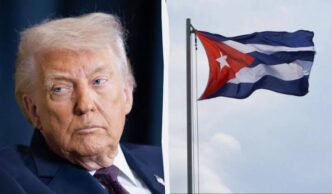
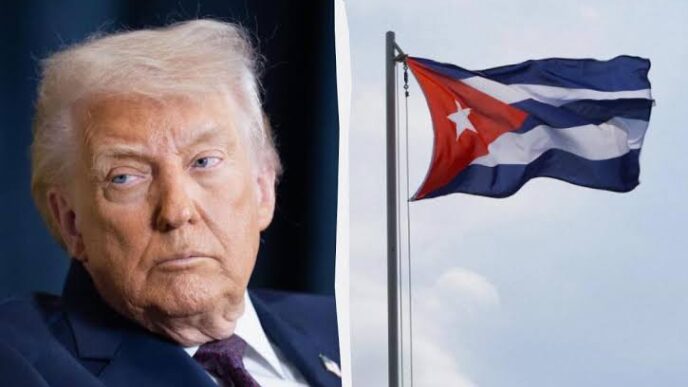
U.S. President Donald Trump stated that the United States aimed to eliminate imminent dangers. He vowed to destroy missile infrastructure linked to Iran’s defence capabilities. Israeli leaders echoed similar concerns about security risks.
Moreover, European Council President António Costa described the developments as troubling. He said European leaders remain in contact with regional partners.