

The Federal Government has announced a sweeping nationwide ban on the export of wood and allied products.
The decision, which revokes all existing licences and permits, was unveiled on Wednesday, December 17, during the 18th meeting of the National Council on Environment held in Katsina State.
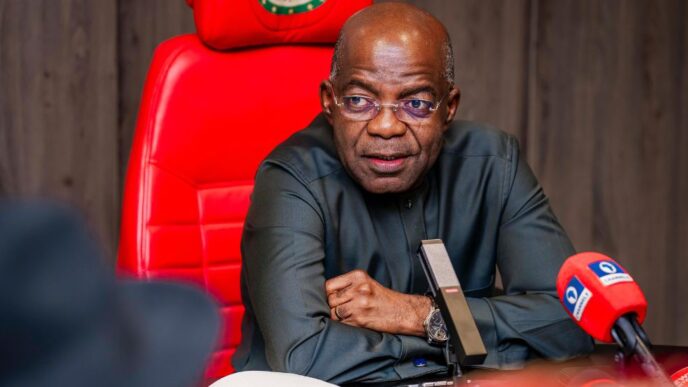
The announcement was made by the Minister of Environment, Balarabe Lawal, marking a major policy shift in Nigeria’s environmental management.
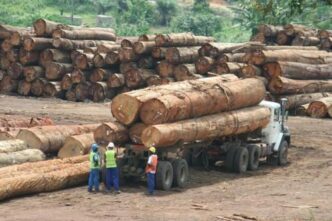
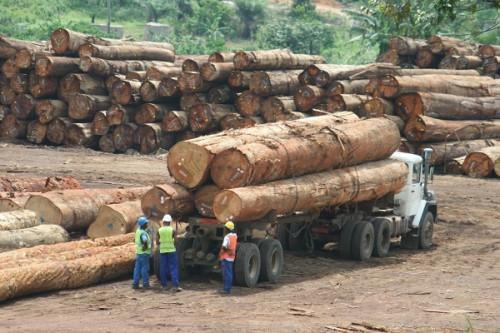
According to the minister, the new directive is aimed at tackling the growing threat of illegal logging and rapid deforestation across the country.
However, the sudden nature of the ban has raised questions among stakeholders who were previously operating under valid government approvals.
Lawal explained that the order is contained in a presidential directive titled “Presidential Executive Order on the Prohibition of Exportation of Wood and Allied Products, 2025.”
He stressed that Nigeria’s forests are under severe pressure and require urgent protection.
“Nigeria’s forests are central to environmental sustainability, providing clean air and water, supporting livelihoods, conserving biodiversity, and mitigating the effects of climate change,” the minister said.
He warned that continued wood export activities pose a serious risk to these benefits.
Moreover, he noted that unchecked logging could cause long-term environmental damage that may be difficult to reverse.
The executive order was published in the Extraordinary Federal Republic of Nigeria Official Gazette No. 180, Vol. 112 of 16 October 2025.
It draws its legal backing from Sections 17(2) and 20 of the 1999 Constitution, as amended. These provisions empower the state to protect forests, wildlife, and other natural resources from exploitation.
Under the new framework, all previously issued export licences have been revoked.
In addition, security agencies and relevant ministries have been directed to enforce a strict clampdown on illegal logging activities nationwide.
Meanwhile, officials say the Nigeria wood export ban is expected to strengthen domestic wood processing industries.
Furthermore, it may help preserve forest reserves that have been shrinking due to commercial pressure.
However, industry players are expected to seek clarity on enforcement timelines and possible economic impacts. Therefore, consultations with affected stakeholders may follow in the coming weeks.
The government insists the policy is necessary to secure Nigeria’s environmental future. Consequently, authorities believe the ban will help balance economic activity with sustainable resource management.