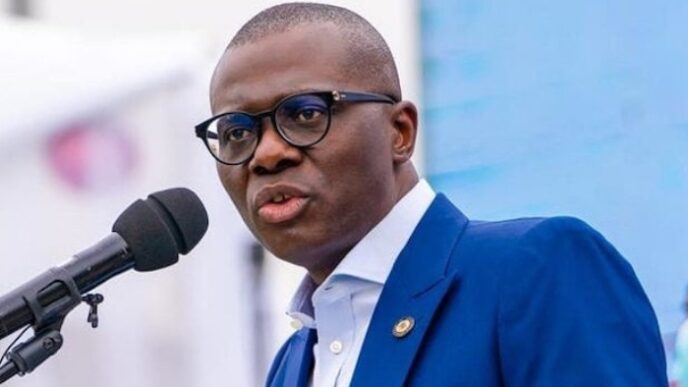




The President of the Nigerian Bar Association, Afam Osigwe, SAN, has warned that the Cybercrimes Act is being used to silence critics in Nigeria.
Speaking on Arise TV on Wednesday, Osigwe said the law is increasingly being turned into a weapon. According to him, journalists, activists and ordinary citizens are now facing charges for expressing dissenting views.
The NBA President’s Cybercrimes Act criticism comes at a time when concerns over freedom of expression are rising.
Osigwe did not hold back in his remarks. He alleged that some public officials are using the law to intimidate opponents.
“Free speech is being muzzled in Nigeria under the guise of charging people to court and investigating them for cyber crime and criminal defamation. Even when the matters are ordinarily bailable, judges and magistrates are increasingly appearing to be tools in the hands of politicians and ‘big men’ and refuse bail even where there is no basis for not granting bail,” he said.

According to him, the trend is dangerous for democracy. Courts, he warned, risk being seen as instruments of oppression rather than protectors of justice.
“This is a violation of the right to freedom of expression and an abuse of the democratic space. Because these public office holders should be held to a higher standard of accountability, and if they deprive people of the ability to criticise and hold them to account, then democracy dies.
If our judges become willing tools in giving them that which they desire, which is to put those people out of circulation, then there’s something wrong and the judiciary becomes a willing tool in the hands of the oppressors and thereby becomes an oppressor itself,” he said.
Furthermore, Osigwe argued that charges such as cybercrime and criminal defamation are being used in cases that would normally attract bail. However, he claimed that bail is sometimes denied without clear justification.
The Cybercrimes (Prohibition, Prevention, etc.) Act was enacted in 2015. It was later amended in 2024 to strengthen provisions against online fraud, cyberterrorism and cyberstalking.
Meanwhile, supporters of the law insist it is necessary to tackle digital crime. However, critics argue that vague provisions allow it to be misapplied.
The NBA President’s Cybercrimes Act criticism highlights a wider debate about balancing security and civil liberties.