


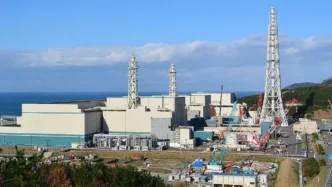
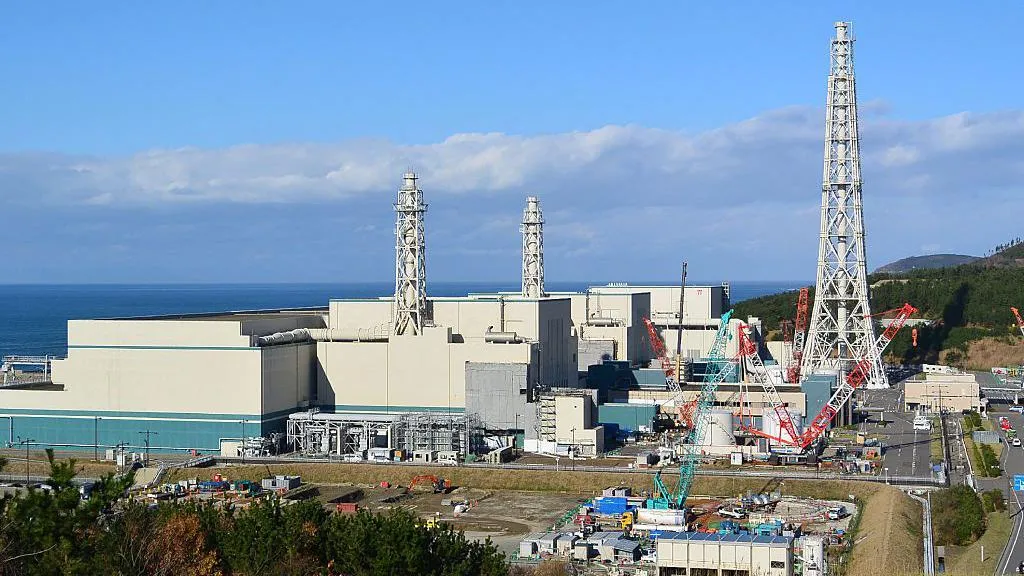
Japan is set to take a bold step in its energy journey as it prepares to restart the Kashiwazaki-Kariwa nuclear power plant next week.
The move will mark the first time a Tokyo Electric Power Company (TEPCO)-operated reactor returns to operation since the 2011 Fukushima nuclear disaster.
According to plant officials, the restart follows a brief suspension caused by an alarm malfunction during an earlier attempt.
However, authorities insist the issue has been resolved and safety is no longer in question. The development has drawn strong national and international attention due to the plant’s history and scale.
At a press conference on Friday, plant chief Takeyuki Inagaki confirmed that the reactor is scheduled to restart on February 9.
The plant had initially resumed operations on January 21. However, it was shut down the next day after a monitoring alarm was triggered.
Inagaki explained that the shutdown was precautionary. He said the alarm had been wrongly configured and reacted to harmless changes in electrical current.
“The firm has now changed the alarm’s settings as the reactor is safe to operate,” he stated.
Moreover, he added that full commercial operations are expected to begin on or after March 18, pending another detailed inspection.
The Kashiwazaki-Kariwa nuclear restart is particularly significant because the facility is the largest nuclear power plant in the world by potential capacity.
It has remained idle since Japan suspended nuclear energy production following the earthquake and tsunami that led to the Fukushima Daiichi triple meltdown.
Meanwhile, only one of the plant’s seven reactors is involved in this restart. Officials say this cautious approach is intended to rebuild trust and test systems gradually. However, the decision remains controversial among local residents.
In addition, the restart aligns with Japan’s broader energy policy. The government aims to reduce dependence on fossil fuels, cut carbon emissions, and reach carbon neutrality by 2050.
Rising energy demands, including those driven by artificial intelligence and digital infrastructure, have further increased pressure on policymakers.
However, a September survey conducted by Niigata prefecture showed that nearly 60 percent of residents oppose the restart, while only 37 percent support it.
Furthermore, In January, activists submitted a petition with almost 40,000 signatures, pointing to the plant’s location on an active fault line and its exposure to a major earthquake in 2007.
Therefore, while officials insist safety standards have been met, public skepticism continues.