Fashola said the power sector needed time to move from occasional improvements to stable and uninterrupted electricity.
He also recalled the progress recorded during his four-year tenure as minister, which ended in 2019.
Advertisement
He said more than 11 million people gained electricity access during that period.
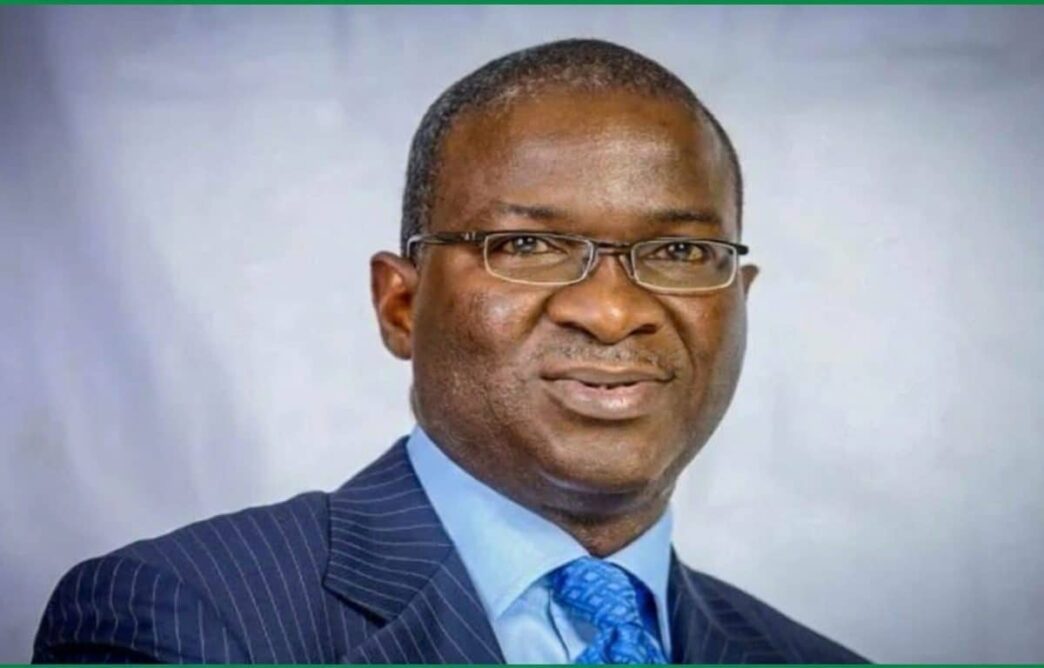
Former Minister of Power Babatunde Raji Fashola
Speaking about his achievements, Fashola said, “I left in 2019 after four years and there was incremental power. At that time we connected, I think, 11 million plus people to electricity supply for the first time in the history of this country. That is a record I’m proud ot. 11 million people extra had access to electricity,”
He explained that the next step was to make electricity supply more reliable, however, he stressed that the process would not happen overnight.
“The question now was, could we make it stable? Could we make it incremental? And could we make it uninterrupted? And as I’ve said, these things take time.”
Fashola also discussed the structure of Nigeria’s electricity sector, he recalled that the sector was privatised in 2013, with private operators taking control of generation and distribution.
The Federal Government, however, retained responsibility for electricity transmission.
He questioned why electricity providers rarely explain poor service to customers, despite collecting payments.
“Now, who is collecting payment for electricity? Is it government or your service provider? Now, when has any CEO of those service providers come on television to come and tell us why we are not getting service?”
The former minister also praised the Tinubu administration for allowing states to play bigger roles in electricity generation and distribution.
He said the changes could help states develop independent power systems instead of relying entirely on the Federal Government.
Fashola added, “So if, for example, instead of waiting for a federal government to supply everybody, each state begins to generate its own power, we are on our way. So that much I can say.”
The comments come amid continued concerns over electricity supply, power shortages and the cost of running businesses across Nigeria.