


Lagos residents could soon see tougher action against street begging and street urchins under a proposed new law.
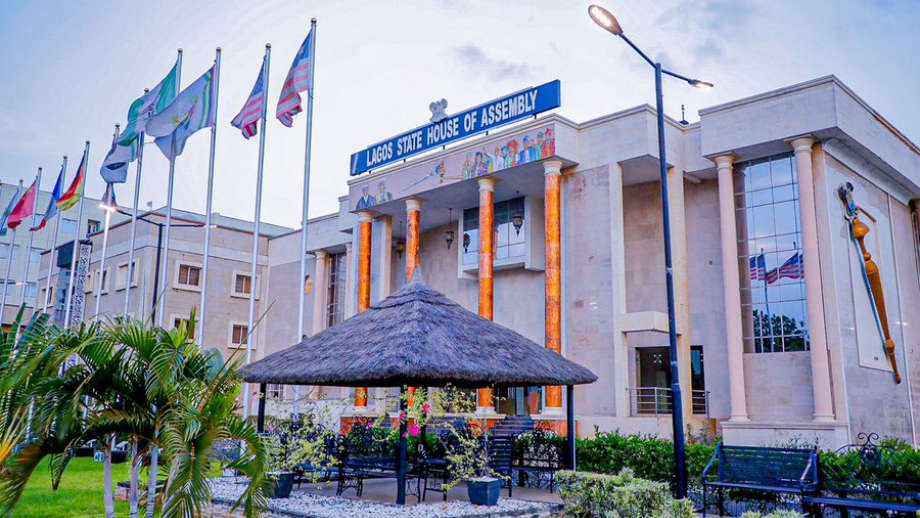
The Lagos State House of Assembly held a public hearing on the bill on 17 September 2026.
The proposed law combines stricter penalties with rehabilitation programmes for vulnerable people found on the streets.
The bill is titled the Street Begging and Street Urchins (Prohibition, Prevention and Rehabilitation) Law of Lagos State 2026.
It seeks to restrict begging around traffic lights, pedestrian bridges, markets, motor parks and other public spaces.
The public hearing took place at the Lateef Jakande Auditorium in Alausa, Ikeja.
Abiodun Orekoya, chairman of the House Committee on Youth, Sports and Social Development, chaired the hearing.
The proposed law would also target people who encourage, assist or organise street begging.
Parents and guardians who send children onto the streets to beg could also face penalties.
Children found begging would instead be handled under existing child-rights laws.
Under the proposed sanctions, first-time offenders could receive warnings and rehabilitation support.
A second offence could attract a fine of up to N200,000 or a non-custodial sentence.
Repeat offenders could face up to two years in prison after conviction.
The Lagos street begging bill also proposes stronger enforcement powers for relevant state agencies.
However, some participants raised concerns about possible arbitrary arrests and the treatment of vulnerable people.
The bill reportedly seeks to prevent officers from subjecting detainees to torture or degrading treatment.
It also proposes rehabilitation centres for people removed from the streets.
Those centres would provide temporary accommodation, literacy support, counselling and vocational training.
The aim is to help affected people develop skills and eventually return to society.
Human rights advocates and legal experts urged lawmakers to carefully balance enforcement with individual rights.

They particularly questioned the proposed powers for warrantless arrests.
Deputy Speaker Mojisola Lasbat Meranda said public feedback would guide further consideration of the bill.
She said stakeholders’ views would help shape the legislation before it moves to third reading.
If passed by the Assembly, the bill would then be presented to the Lagos State Governor for assent.
For now, the proposal remains part of the legislative process and has not become law.