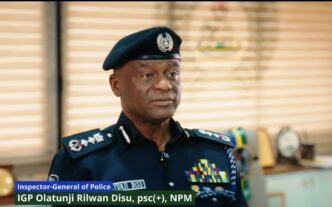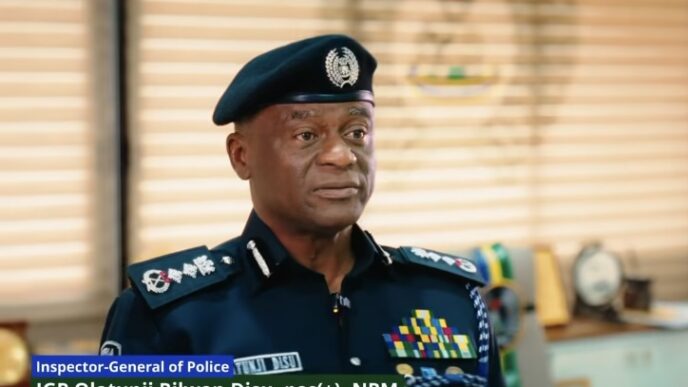


IGP Olatunji Rilwan Disu has thrown his full support behind a major national initiative, the Nigeria Police Force is backing the new 112 emergency number.
This comes as the Federal Government moves to make 112 Nigeria’s official emergency line, which will soon replace the many scattered emergency numbers used today.
This 112 emergency number rollout was announced by Vice President Kashim Shettima in Abuja, he gave the directive during a stakeholders’ meeting on the project.
A special committee has now been formed to drive the process forward, it includes the Nigeria Police Force, NCC, NEMA, FRSC, and other key agencies.
Their task is to build a clear roadmap for nationwide rollout, this roadmap will follow global best practices for emergency response systems.
Once ready, the plan will be presented to the National Economic Council, NEC had already approved 112 as the country’s single toll-free emergency number.
Shettima stressed that strong planning must guide the process.
“Let’s make progress so that whatever time we have spent here is worth spending. And most importantly, the engine is finance. It is a resource to drive the process. And I want to assure you that we will get the resources,” he said.
IGP Disu described the initiative as a major win for everyday Nigerians, he said it removes confusion during real emergencies.
According to Disu, citizens should not struggle to know whom to call, he explained the goal clearly.
He said the initiative marks “a significant step towards ensuring that citizens have a simple and reliable means of accessing emergency assistance.”

This 112 emergency number system will connect callers directly to the right responders, this applies to attacks, accidents, fires, and medical emergencies alike.
Mrs Lydia Aina explained that Nigeria’s current emergency setup remains fragmented, and said the new system needs strong structure to truly work.
She revealed six immediate priorities guiding the project’s next phase.
“Our job now is to turn it into an actual working programme with milestones. So, we have identified six immediate priorities. First, governance. We need a clear structure of who’s responsible for what,” she said.