

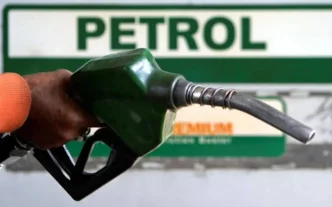
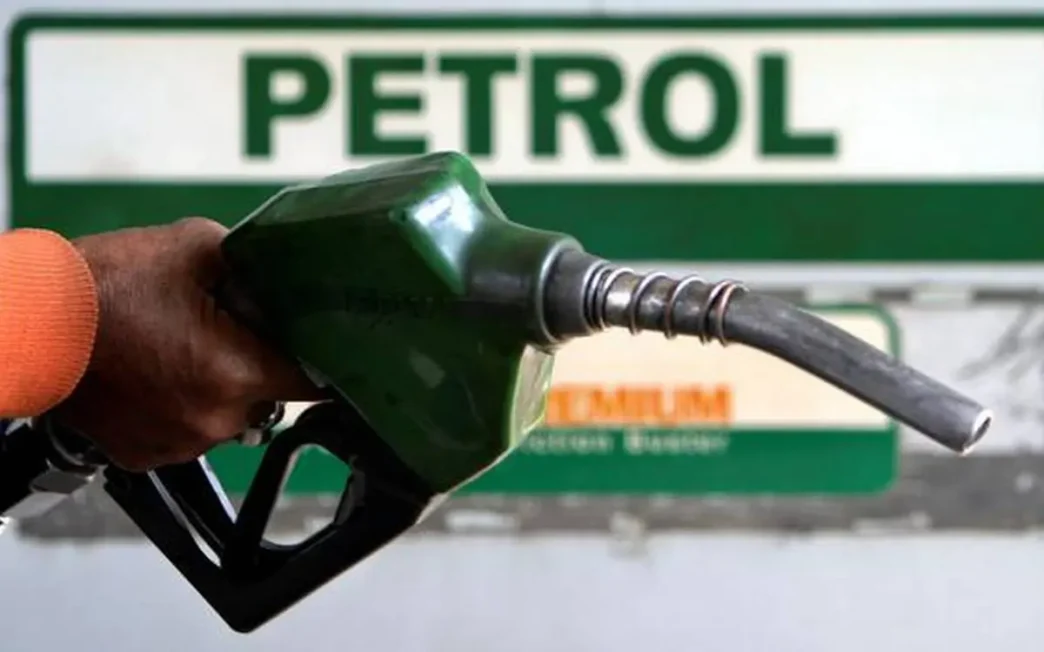
The Federal Government has directed petroleum marketers to stop exploiting Nigerians through excessive petrol prices, saying the recent drop in global crude oil prices should begin to reflect at filling stations across the country.
The directive comes amid growing expectations that the cost of Premium Motor Spirit (PMS), commonly known as petrol, could fall in the coming weeks. While deregulation allows market forces to determine prices, the government insists consumers must not be unfairly burdened.
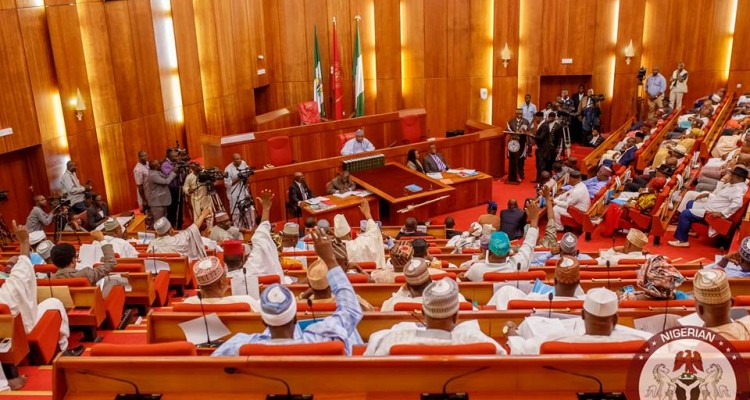
Minister of State for Petroleum Resources (Oil), Senator Heineken Lokpobiri, issued the directive in Abuja during the Nigerian Midstream and Downstream Petroleum Regulatory Authority (NMDPRA) General Counsel and Legal Advisers Forum.
He urged the regulator to ensure marketers do not use deregulation as an excuse to make excessive profits.
The petrol price reduction has become a major issue for millions of Nigerians facing high transportation and living costs. Consequently, the minister stressed that regulators must act to protect consumers while maintaining a competitive market.
According to Lokpobiri, the easing of tensions between Iran and the United States has reduced pressure on global crude oil prices. Therefore, local fuel prices are also expected to adjust downward.
“Following de-escalation of tensions between Iran and the United States, we expected to see a commensurate downward adjustment in the prices of PMS and other petroleum products. However, that has not yet happened,” he said.
Moreover, the minister expressed confidence that market forces would eventually restore price balance. However, he warned that regulators have a legal duty to prevent unfair pricing practices.
“While we believe that market forces will eventually restore equilibrium, the regulator also has a statutory responsibility to ensure that deregulation does not become an avenue for profiteering. This must be done in line with the extant provisions of the Petroleum Industry Act,” he noted.
In addition, Lokpobiri instructed the Nigerian Midstream and Downstream Petroleum Regulatory Authority to strengthen monitoring of filling stations across the country.
He said consumers must receive the exact quantity of fuel they purchase without manipulation.
“When someone pays for 10 litres of Premium Motor Spirit, they should receive exactly 10 litres, not less,” Lokpobiri said.
Furthermore, the minister noted that Nigeria avoided fuel shortages despite recent geopolitical tensions involving the United States and Iran. He attributed the stability to the deregulated petroleum market and the country’s growing domestic refining capacity.
Meanwhile, industry stakeholders believe increased local refining and improved market competition could support lower petrol prices if global crude oil prices remain stable.
The Federal Government also maintained that deregulation should encourage healthy competition rather than create opportunities for excessive pricing. Therefore, marketers are expected to comply with existing regulations while operating within the provisions of the Petroleum Industry Act.
The petrol price reduction remains a key expectation for many Nigerians as authorities continue monitoring developments in both local and international oil markets.