

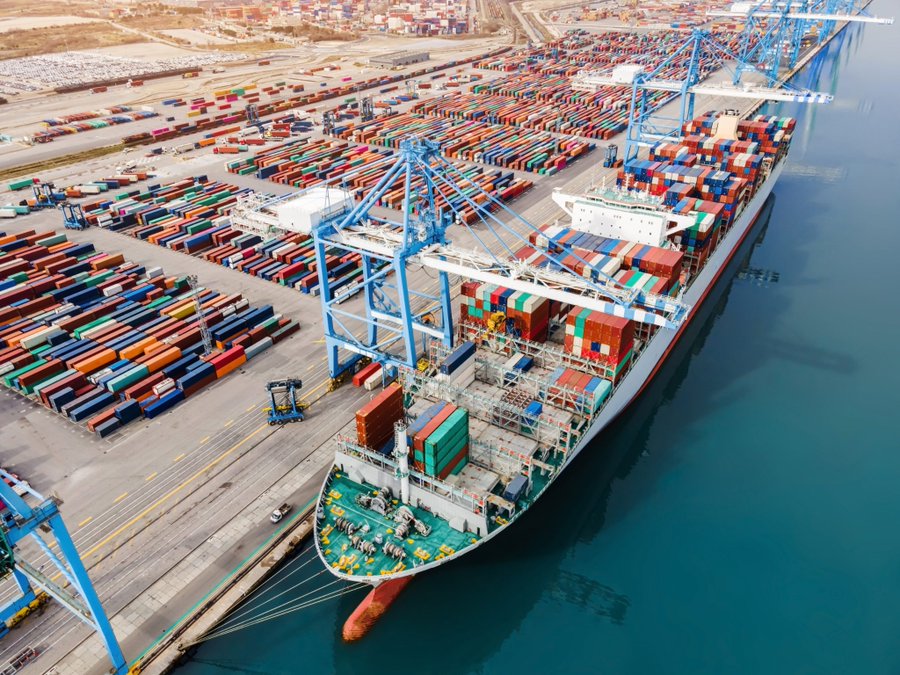
Nigeria has taken a major step toward reshaping its maritime sector after the Federal Government approved certification and compliance processes for five proposed deep sea port projects across the country.
The move is expected to strengthen trade activities and reduce the huge volume of Nigerian-bound cargo currently handled by other African countries.
The approved projects include the Badagry Deep Sea Port in Lagos State, Olokola Deep Sea Port in Ondo State, Ibom Deep Sea Port in Akwa Ibom State, Bakassi Deep Sea Port in Cross River State, and Bonny Deep Sea Port in Rivers State.
According to the Managing Director of the Nigerian Ports Authority, Dr. Abubakar Dantsoho, the government has already completed major regulatory steps needed for the projects.
He disclosed the update during the closing session of the Port Management Association of West and Central Africa meeting held in Lagos.
“In terms of approvals, certifications and compliance issues, we have taken care of five different deep-sea ports in Nigeria,” Dantsoho said.
The project is expected to improve cargo handling and attract larger international vessels into the country. Furthermore, officials believe the initiative could help Nigeria recover billions lost to neighbouring ports.
According to Dantsoho, more than 70 percent of cargo meant for Nigeria is currently processed by ports in other African countries. Consequently, the government now wants to reverse that trend through new infrastructure investments.
He explained that negotiations with investors are still ongoing because of the huge financial commitment required for the projects. However, the government has already completed the necessary compliance and certification processes.
The NPA boss also noted that Nigeria remains a key player in regional trade within West and Central Africa. Countries such as Niger, Chad, Mali, and Burkina Faso partly depend on Nigerian ports for international cargo access.
Meanwhile, the government is also focusing on upgrading existing ports and improving technology systems. In addition, plans are underway to strengthen cargo clearance operations through digital solutions.
Dantsoho stressed that ports across Africa must modernise quickly to remain competitive in global trade. He warned that delays in infrastructure development could affect the region’s economic future.
The initiative also aligns with broader regional efforts to improve shipping and logistics networks. Countries including Ghana, Senegal, and Benin Republic are currently upgrading their own port facilities.
Furthermore, officials at the meeting agreed to deepen the use of technology-driven systems such as the National Single Window platform and Port Community Systems. These systems are expected to reduce delays and improve efficiency at seaports.
Speaking at the event, the Minister of Marine and Blue Economy, Dr. Adegboyega Oyetola, called for stronger cooperation among African countries.
He said regional partnerships would help address supply chain problems and future shipping challenges.
Oyetola also highlighted the importance of greener shipping systems and sustainable maritime growth. According to him, the visit to the Lekki Deep Sea Port showed what strategic investment and public-private partnerships could achieve.