

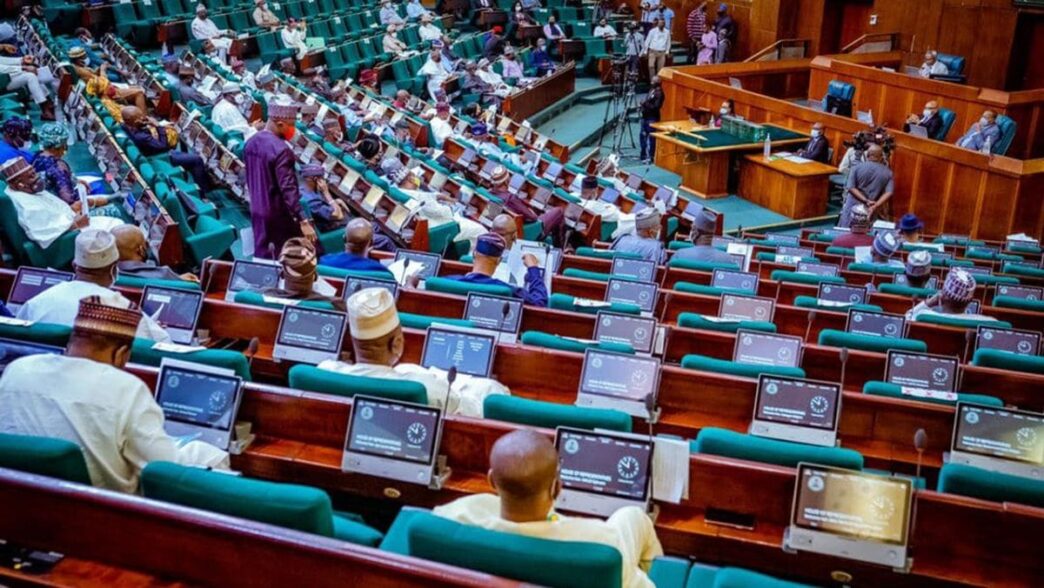
The House of Representatives has asked the Federal Government to reconsider its decision to invalidate Benin and Togo degree certificates obtained by Nigerian students. Lawmakers argued that the blanket decision may punish thousands of graduates who obtained their degrees through legitimate academic programmes.
Therefore, they recommended a more balanced approach that would target only fraudulent cases. The decision was reached during plenary after members adopted the report of the House Committee on Public Petitions.
The committee reviewed a petition challenging the Federal Government’s earlier policy on foreign certificates. The report was presented by the Chairman of the committee, Laori Kwamoti. According to him, the issue was raised through a petition submitted by Sovereignty Legal Practitioners.
The petition was filed on behalf of stakeholders in Nigeria’s education sector. These stakeholders argued that the policy could unfairly affect many students and graduates. According to the report, the petition questioned the government’s decision to invalidate Benin and Togo degree certificates without examining individual cases.
Lawmakers noted that although concerns about certificate racketeering exist, a total ban could harm innocent graduates. Meanwhile, the committee recommended a different approach to addressing academic fraud.
Instead of imposing a general ban, lawmakers suggested that authorities should investigate each case separately. Such a system, they argued, would ensure that only fraudulent certificates are rejected.

Moreover, legitimate graduates would not suffer unnecessary penalties. The committee therefore advised the Federal Government to withdraw the blanket policy and introduce a verification process. This process would examine the authenticity of individual qualifications before any decision is made. In addition, the House urged the Federal Ministry of Education to strengthen cooperation with education authorities in Benin Republic and Togo.
Lawmakers said such collaboration could help improve systems used to verify academic credentials. Furthermore, stronger partnerships could reduce the risk of certificate fraud in the future.
Authorities were also encouraged to introduce better authentication systems for foreign degrees. The controversy began in January 2024 when the Federal Government suspended the evaluation of degrees from the two countries.
The decision followed an undercover investigation that revealed widespread certificate racketeering. The investigation exposed how individuals were allegedly able to obtain university degrees without proper academic study.
As a result, authorities moved quickly to suspend the accreditation and evaluation of certificates from those institutions. However, many argued that the decision was too broad and failed to separate legitimate graduates from fraudulent cases.
According to lawmakers, a targeted investigation would protect the integrity of Nigeria’s education system. At the same time, it would prevent innocent graduates from being unfairly affected.