

Peru’s government has triggered widespread shock after revising its public health rules to classify transgender people under a mental health category.
The decision, announced by national health authorities, has drawn swift backlash at home and abroad. Many critics say the move was unexpected and deeply troubling, especially given global medical standards.
According to officials, the change was introduced as an administrative step to organise healthcare access.
However, the policy has been described by rights groups as harmful and unnecessary.
Moreover, opponents argue it wrongly treats gender identity as an illness.
Human rights organisations reacted almost immediately. LGBTQ+ advocacy groups said the classification could worsen stigma and social exclusion.
Medical professionals also warned that trust in public healthcare could be damaged.
Activists stressed that the policy risks encouraging discrimination in jobs, schools, and hospitals.
In addition, concerns were raised about rising threats and violence against transgender communities. The reaction has therefore moved beyond health policy into a national rights debate.
Medical experts across Latin America highlighted that global standards already exist. The World Health Organisation removed transgender identities from mental disorder lists in 2019.
That change was made to promote dignity and evidence-based care.
Critics argue Peru’s new rule goes against that consensus. They say the decision ignores science and modern medical ethics.
Furthermore, they fear it may legitimise outdated beliefs.
“This decision undermines years of progress in recognising transgender people as deserving of dignity, equality, and science-based healthcare,” one regional human rights group said in a statement. The quote has been widely shared by activists online.
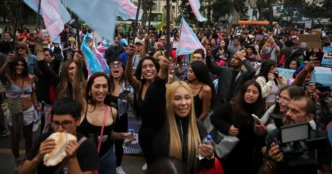
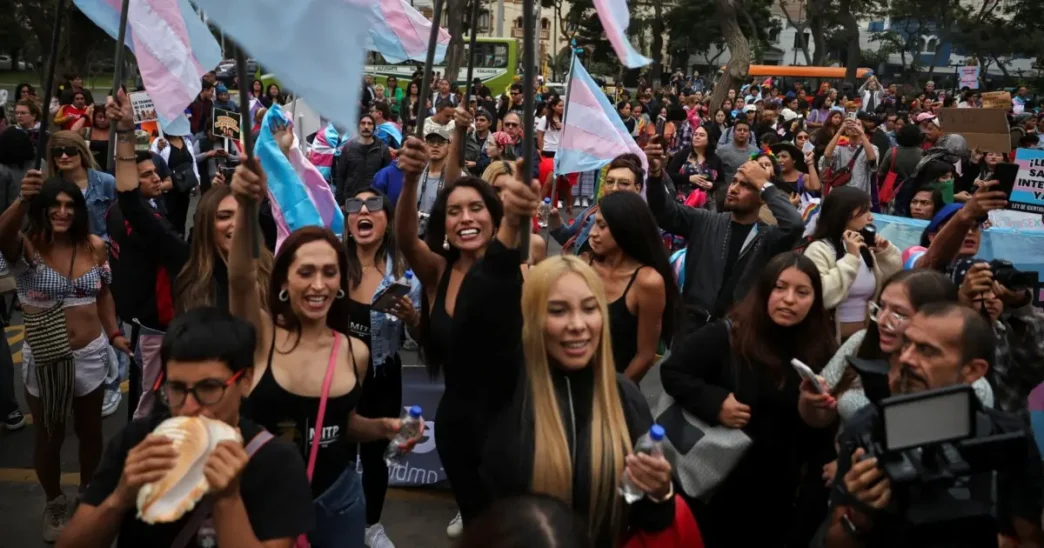
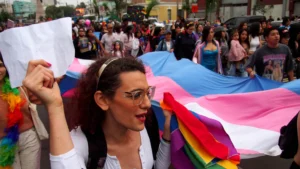
Meanwhile, protests have broken out in several Peruvian cities.
Demonstrators have demanded an immediate reversal of the policy. Some groups announced plans to challenge the move in court.
They argue the rule violates constitutional rights and international agreements.
Legal experts say the case could test Peru’s commitment to human rights law.
However, government officials have so far defended the policy as technical.
They insist it was not intended to discriminate.