

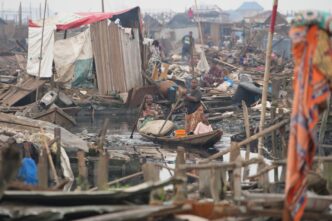
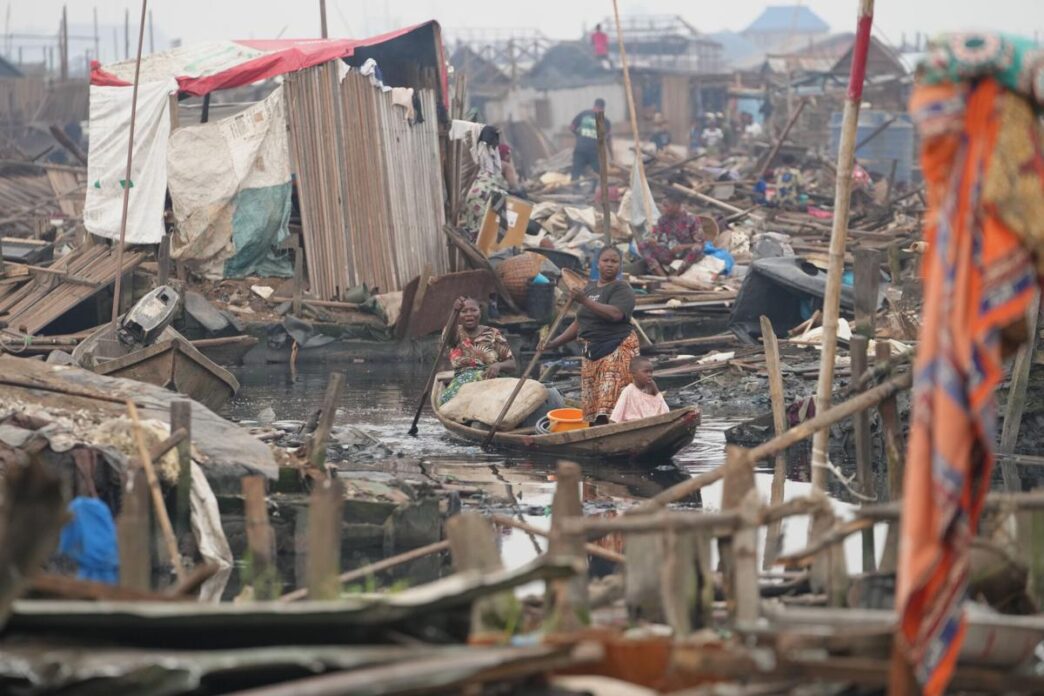
The demolition of Makoko, one of Lagos’s oldest waterfront communities, has triggered anger across Nigeria and beyond. A broad coalition of local and international organisations has condemned the action as violent and unlawful.
The incident has been described as unexpected, given Makoko’s long history and previous court interventions. In a joint statement, the groups said demolition work began on January 5, 2026.
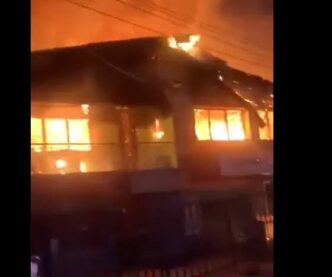
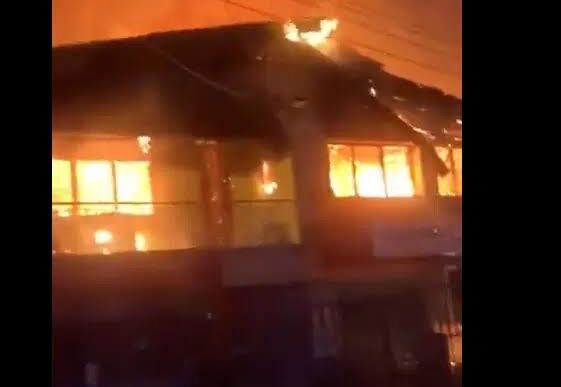
According to them, the exercise has continued despite public outcry and legal concerns. Homes, schools, clinics, and places of worship were reportedly pulled down within days.
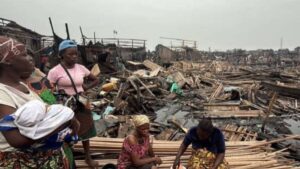
As a result, hundreds of families were left homeless along the Lagos Lagoon. Eyewitnesses quoted by the coalition alleged that security officers accompanied the demolition teams.
Moreover, it was claimed that tear gas and force were used on residents. Women, children, and elderly people were said to be affected during the operation.
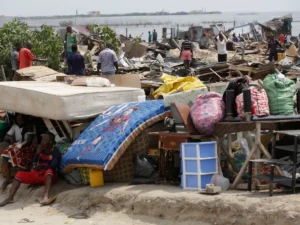
Meanwhile, displaced families were seen sleeping in boats, churches, and open spaces. The Makoko demolition was described as part of a wider pattern across Lagos.
In addition, the coalition listed Oko-Baba, Ayetoro, Otumara, Baba-Ijora, and Oworonshoki as affected areas.
Precious Seeds community was also mentioned in the statement. In many of these cases, evictions were allegedly carried out without notice or resettlement plans.
Furthermore, the groups recalled earlier demolitions in Badia East, Otodo-Gbame, and Maroko. Monkey Village, Ilaje-Bariga, and Ifelodun were also cited as past examples. They alleged that court orders restraining demolitions were repeatedly ignored. Several deaths were also linked to forced evictions over the years.
“The pattern reflects a systemic disregard for human rights, due process, and the rule of law,” the statement read.
“These actions violate Nigeria’s constitution and international human rights obligations while deepening Lagos’s housing crisis.”
Therefore, the coalition urged the Lagos State Government to halt all ongoing demolitions. They also demanded respect for court injunctions already in place.
In addition, an investigation into alleged abuses was requested. Fair compensation and proper resettlement were also demanded for affected residents. The organisations stressed the need for inclusive urban planning. They argued that development should protect livelihoods, not destroy them.
Environmentally sustainable housing solutions were also recommended. This approach, they said, would prevent future crises like the Makoko demolition. The statement was signed by 23 organisations. They included HOMEF, CAPPA, ERA/FoEN, Policy Alert, WoMin African Alliance, and Norway’s Rafto Foundation.
However, as of the press time the Lagos State Government had not issued an official response.