



Panic and confusion swept through Maiduguri on Monday evening after multiple explosions hit key locations across the city. The Maiduguri suicide bomb attack has left at least 23 people dead and over 100 others injured.
The blasts occurred almost simultaneously, targeting crowded areas during a sensitive time of the day. Residents were caught off guard as the explosions disrupted what was meant to be a peaceful evening.
However, security forces responded quickly to contain the situation. Emergency teams were also deployed to assist victims and restore calm across the affected areas.
The explosions reportedly happened around 7:24 p.m. in different parts of Maiduguri. The affected areas include the popular Monday Market, the University of Maiduguri Teaching Hospital gate, and the Post Office Flyover.
According to officials, the attacks were carried out by suspected Boko Haram suicide bombers. The targets were carefully chosen crowded locations to cause maximum damage.
“The Headquarters Joint Task Force (North East) Operation HADIN KAI (OPHK) wishes to inform the general public of suicide bomb explosions that occurred at about 7:05 p.m. on Monday, 16 March 2026, in Maiduguri Metropolitan Council (MMC),” the statement read.
Furthermore, authorities believe the attackers may have planned the operation in advance. The use of multiple bombers suggests a coordinated effort to spread fear across the city.Meanwhile, troops and security agencies were quickly mobilised to the scene. The affected areas were immediately secured to prevent further harm.
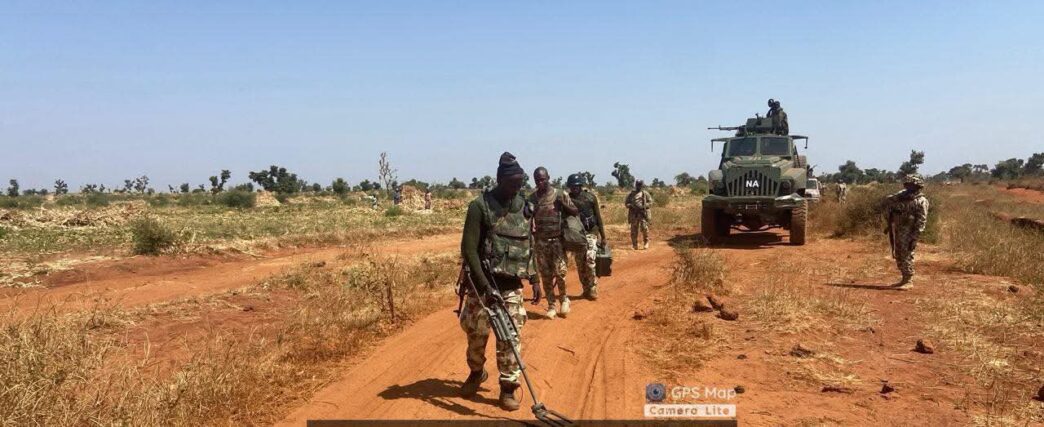
“Troops of Operation HADIN KAI, in conjunction with the Nigeria Police Explosive Ordnance Disposal (EOD) Team and other sister security agencies, responded swiftly to the incident and immediately secured and cordoned off the affected locations to prevent further harm.”

In addition, surveillance and patrols have been increased across Maiduguri. This step is aimed at tracking down any remaining suspects. Security agencies have also strengthened counter-explosive measures in the city. Therefore, residents are being urged to remain alert and cautious.
Following the explosions, many victims were injured and rushed to nearby hospitals. Emergency responders worked through the night to evacuate casualties.
“Emergency response teams, including personnel from the National Emergency Management Agency (NEMA) and other medical service providers, promptly evacuated casualties to the General Hospital, Specialist Hospital and the University of Maiduguri Teaching Hospital for urgent medical attention.”
Moreover, medical teams are currently treating injured victims across different facilities. Rescue operations are still ongoing in some affected areas. The statement confirmed that no effort is being spared in saving lives. However, the number of casualties may change as more information becomes available.
Preliminary findings suggest that improvised explosive devices were used in the attack. The devices were detonated at different locations almost at the same time.
“The explosions were carried out by suspected Boko Haram terrorist suicide bombers who detonated improvised explosive devices at three different locations within the city, namely the Post Office area, Monday Market axis and the entrance to the University of Maiduguri Teaching Hospital (UMTH) during the period of Iftar (breaking of fast).”
The timing of the attack has raised concerns. It happened during Iftar, when many people gather in public spaces. Therefore, the attackers may have intended to cause maximum casualties and fear.
“Members of the public are therefore urged to remain calm but vigilant, avoid crowded areas where possible and promptly report any suspicious persons, unattended items or unusual activities to the nearest security agency.”
Furthermore, security agencies have promised to continue efforts to prevent future attacks. The Maiduguri suicide bomb attack has once again highlighted ongoing security challenges in the region. However, officials insist that operations against terrorist groups will continue.