


Nigerians who receive money mistakenly into their bank accounts have been warned against keeping it.
The Central Bank of Nigeria (CBN) says refusing to return the money could lead to years behind bars.
The warning comes as the apex bank urges customers to protect their banking details and avoid financial fraud.
The CBN stressed that keeping money sent to your account by mistake could attract five to 10 years’ imprisonment.
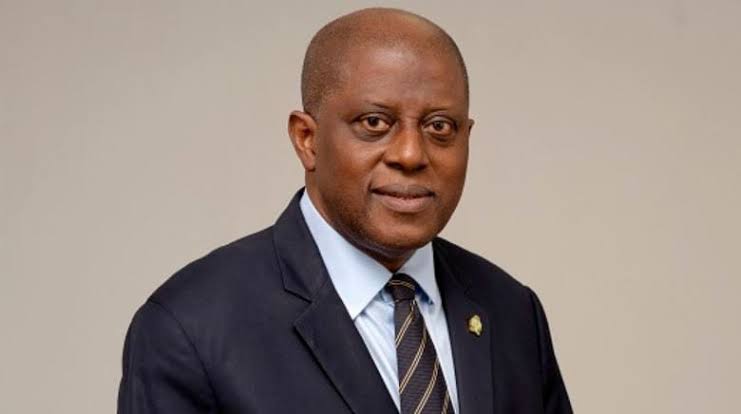
CBN Governor Olayemi Cardoso delivered the warning through Hakama Sidi Ali during a stakeholders’ meeting in Ibadan, Oyo State, on Thursday.
The meeting was held at Jogor Event Centre under the bank’s CBN Listens Programme.
“A customer who fails to refund wrongly deposited money to the rightful owner attracts 5-10 years’ imprisonment,” Cardoso stated.
The governor also cautioned Nigerians against sharing personal or banking information with fraudsters.
He warned that fraudulently obtaining another person’s account details could attract severe penalties.
Cardoso said the CBN Listens Programme helps the bank engage with stakeholders and explain its policies.
It also gives people an opportunity to ask questions, correct misunderstandings and share feedback.
He added that recent reforms aim to strengthen Nigeria’s financial system, improve transparency and expand access to financial services.
The initiatives include the non-resident Bank Verification Number (BVN) for Nigerians living abroad.
Other measures cover foreign exchange trading, the Nigerian Payments System Vision 2028 and the Nigerian Overnight Financial Rate.

The CBN governor also reminded customers that they can escalate complaints when their banks fail to address them.
According to Cardoso, customers may contact the Director of the CBN’s Consumer Protection and Financial Inclusion Department if their banks fail to acknowledge complaints within three days.
Customers can also request a tracking number when their complaints remain unresolved beyond the required timelines.
The warning serves as a reminder that wrong bank transfers should be reported and returned to their rightful owners rather than treated as unexpected personal income.
Anyone who receives an unfamiliar payment should contact their bank through official channels to verify the transaction and arrange a safe refund.