

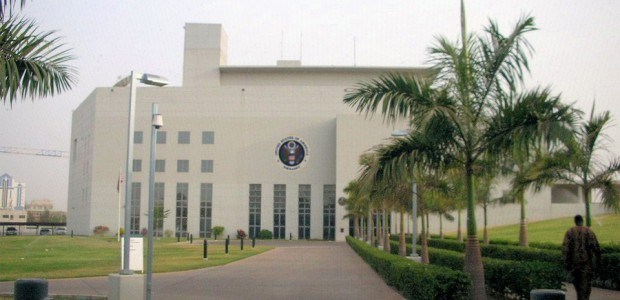
Thousands of Nigerians planning to travel to the United States will face a major change from August 1, 2026, after the US government announced it will stop routine visa processing at its embassy in Abuja.
The move is part of a wider restructuring that will affect 25 diplomatic missions across Africa. However, the United States says the affected embassies will remain open and continue offering other consular services.
Instead, routine visa applications will be processed through selected regional hubs, including Lagos, Accra, Nairobi and several other African cities.
According to the US Department of State, the new arrangement is designed to strengthen national security, improve screening standards and reduce government waste. Furthermore, officials said the policy supports President Donald Trump’s administration’s commitment to protecting the interests of Americans.
Explaining the decision, the department stated that the changes are intended to create a more uniform visa screening system across several countries.
“The Trump administration has no higher priority than the safety and security of Americans,” the department said.
Officials also stressed that diplomatic missions affected by the policy would remain fully operational despite the changes.
Moreover, the State Department clarified that the new policy does not cancel or invalidate visas that have already been issued.
Applicants holding valid US visas can continue using them according to existing immigration rules.
The visa categories affected include immediate relative visas, family preference visas, employment-based visas, fiancé and fiancée visas, adoption visas, Diversity Visa applications and follow-to-join refugee and asylum cases.
Meanwhile, routine visa interviews and processing will continue at designated regional centres.
These locations include Lagos, Abidjan, Accra, Addis Ababa, Cape Town, Dakar, Dar-es-Salaam, Johannesburg, Kampala, Kigali, Kinshasa, Luanda, Monrovia, Nairobi, Praia and other approved cities.
In addition, the selected hubs will handle both immigrant and non-immigrant visa applications.
The State Department advised applicants from affected countries to schedule appointments and pay visa fees only through their assigned processing centres from August 1.
Officials believe the restructuring will improve efficiency while ensuring that visa applications receive consistent screening regardless of where they originate.
For many Nigerians, however, the announcement means additional travel arrangements before completing their visa applications.
Abuja has remained one of Nigeria’s two major visa processing centres alongside the US Consulate in Lagos.
Therefore, applicants who previously depended on the Abuja Embassy for routine visa services may now be required to complete the process in Lagos or another designated African hub.
Although concerns have emerged over possible inconvenience, US officials insist the new system is aimed at strengthening border security and improving overall visa processing standards.
“The Trump administration has no higher priority than the safety and security of Americans,” the department reiterated while explaining the policy.
Consequently, prospective applicants are encouraged to monitor official US embassy updates and begin making alternative travel plans ahead of the August 1 implementation date.