

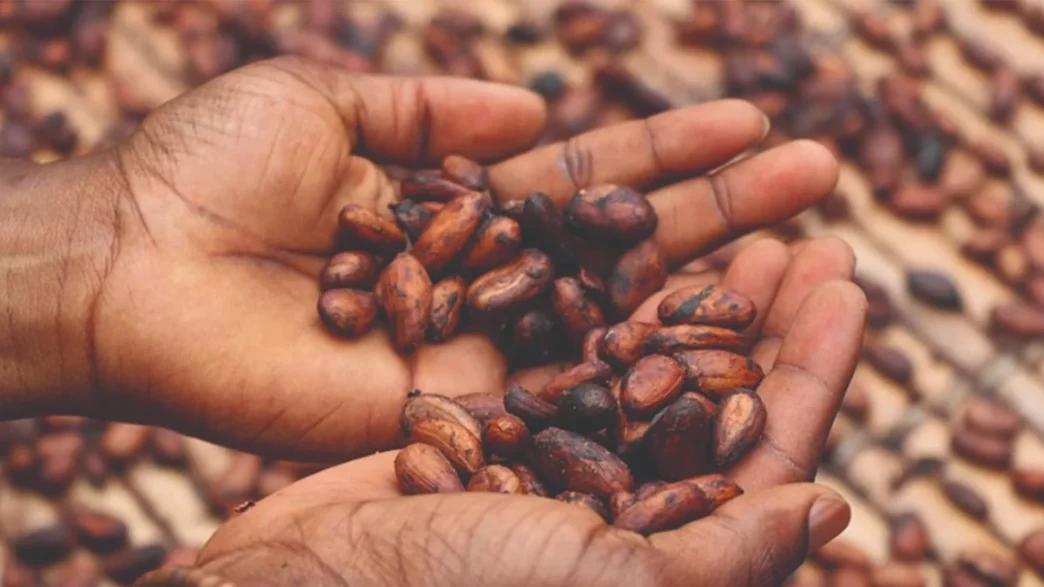
Africa’s biggest cocoa-producing nations are preparing for a major shift that could reshape the global chocolate industry. Nigeria, Ghana, Côte d’Ivoire and Cameroon are joining forces in a move to keep more value from cocoa within the continent instead of exporting raw beans.
The four countries, which produce nearly two-thirds of the world’s cocoa, are expected to unveil a new partnership during the Cocoa Value Addition Summit 2026 in Abuja. If successful, the initiative could strengthen Africa’s influence in the global cocoa market while creating more jobs and boosting local industries.
The proposed Cocoa Value Addition Alliance is expected to become one of Africa’s boldest economic collaborations in recent years. Moreover, it reflects growing efforts to process cocoa locally rather than allowing most profits to remain outside the continent.
The alliance is expected to be formally launched through the signing of the Abuja Declaration. The agreement will bring together Nigeria, Ghana, Côte d’Ivoire and Cameroon under a common strategy for cocoa processing, manufacturing, trade and market access.
Under the plan, member countries will work together on quality standards, pricing discussions and international trade negotiations. Furthermore, the alliance aims to increase Africa’s share of the global chocolate value chain.
For decades, African countries have exported raw cocoa beans while importing finished chocolate products at much higher prices. However, leaders believe this long-standing pattern can be changed through stronger regional cooperation.
The Cocoa Value Addition Alliance is also expected to encourage investment in local processing plants. Consequently, more cocoa could be processed within Africa before reaching international markets.
Another key issue on the agenda is the European Union Deforestation Regulation. The new rule will take effect for large and medium-sized operators on December 30, 2026.
The regulation requires detailed traceability for cocoa exported to European Union countries. The EU currently accounts for about 60 percent of global cocoa imports.
Meanwhile, the four countries are expected to adopt a common position on the new regulation. They want recognition of their national traceability systems while ensuring that smallholder farmers are not forced to bear the cost of compliance.
Officials believe such cooperation will make it easier for African exporters to remain competitive in international markets.
According to organisers, the initiative is designed to reposition African cocoa-producing countries within the global value chain. Rather than relying mainly on raw bean exports, the countries intend to promote local processing, manufacturing and branding.
In addition, financing opportunities for cocoa processing will be discussed during the summit. Representatives from the Bank of Industry, NIRSAL and other development finance institutions are expected to participate in the discussions.
Industry stakeholders will also receive updates on the 70,000-metric-tonne cocoa processing plant currently under construction in Sagamu, Ogun State.
The facility is scheduled for commissioning in 2027 and is expected to strengthen Nigeria’s cocoa processing capacity. Moreover, it is expected to create employment opportunities while supporting local manufacturing.
The Cocoa Value Addition Summit is being organised by the Federal Ministry of Industry, Trade and Investment through the Office of the Minister of State for Industry.
The Bank of Industry is serving as co-convener of the event alongside other partners committed to expanding Nigeria’s industrial sector.
The alliance could also encourage stronger regional trade and reduce dependence on exporting raw agricultural products.
Although global cocoa prices continue to experience sharp changes, industry leaders believe collaboration offers a better path for long-term growth.
If implemented successfully, the new alliance could transform how Africa participates in the cocoa business.