


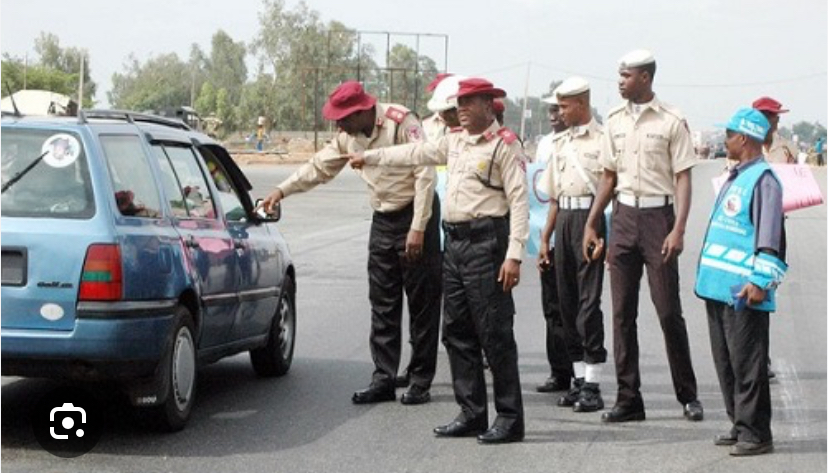
The Federal High Court in Abuja has ruled against the Nigeria Police Force and the Federal Road Safety Corps.
The judgment has immediately drawn attention across the country. Many motorists see it as a major relief.
The case was filed by activist-lawyer Deji Adeyanju. It challenged the powers of the police and FRSC regarding insurance enforcement.
Delivering judgment, Justice Hauwa Yilwa made a key distinction. She stated that agencies can ensure compliance but cannot punish offenders directly.
According to counsel Marvin Omorogbe, the court ruled that “the police and the road safety may enforce” compliance.
The ruling has been welcomed by many Nigerians. For years, complaints about roadside fines have been widespread.
Adeyanju expressed satisfaction with the outcome. He said, “The sole reason why we came to court is that we wanted the court to make a positive declaration that the police and the road safety do not have the right to impose fines on any Nigerian over motor vehicle insurance. And we have succeeded.”
He added that the decision could help reduce abuse of power. Furthermore, it may restore public confidence in enforcement agencies.
Despite the restriction, the court did not remove enforcement duties entirely.
This means routine checks will continue on Nigerian roads. However, any penalties must now go through proper legal channels.
Meanwhile, the case may not be over. Counsel to the defendants, Victor Okoye, indicated plans to challenge the ruling.
He argued that the court may not have had jurisdiction. According to him, the case was not suitable for an originating summons.
“We envisage that we will likely challenge the proceedings at the Court of Appeal to determine if the court ought to have determined a case where the originating summons is incompetent,” he said.
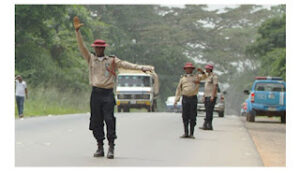
For now, the ruling changes how motorists interact with enforcement officers. Drivers can still be stopped and checked.
However, fines cannot be issued on the spot. Instead, due process must be followed through the courts.