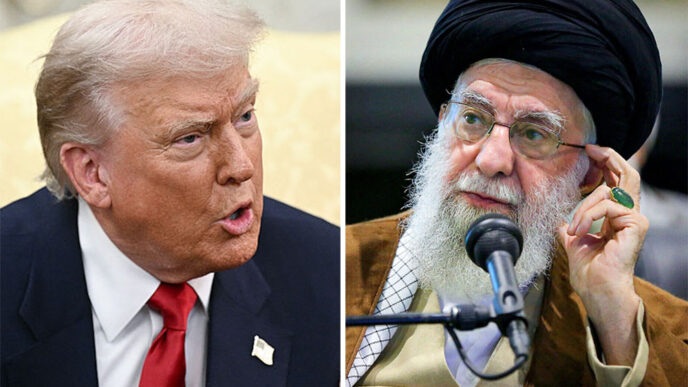


Fresh debate is unfolding inside the White House over whether Israel should strike Iran before the United States takes direct military action.
Senior advisers to President Donald Trump are reportedly divided on the timing and strategy of a possible attack. Moreover, the internal discussions reflect growing concern over Iran’s nuclear program and rising tensions in the Middle East.
The possibility of an Israeli first strike has emerged as a serious option. However, it is being weighed alongside diplomatic efforts currently underway in Geneva.
At the center of the debate is the question of a potential Israel strike on Iran and how it could shape U.S. involvement. According to two people familiar with the discussions, some officials believe the political landscape would shift if Israel acts first.
“There’s thinking in and around the administration that the politics are a lot better if the Israelis go first and alone and the Iranians retaliate against us, and give us more reason to take action,” one of the people familiar with the discussions said.
Recent polling suggests that many Americans, especially Republicans, support regime change in Iran. Nevertheless, public support drops sharply when U.S. casualties are mentioned. Therefore, concerns about American losses remain central to the debate.
Meanwhile, Trump’s negotiating team, led by special envoy Steve Witkoff and senior adviser Jared Kushner, is in Geneva seeking a diplomatic breakthrough. Expectations, however, appear limited.
“The thinking among those closest to the president is that we’re going to bomb them,” one person familiar with the internal discussions said.
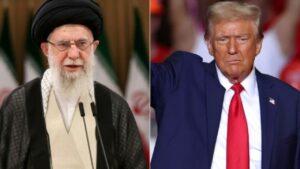
In response to media inquiries, White House spokesperson Anna Kelly stated, “The media may continue to speculate on the president’s thinking all they want, but only President Trump knows what he may or may not do.”
Military options reportedly range from limited airstrikes to a broader campaign targeting nuclear facilities and missile sites. More aggressive plans, including a possible “decapitation strike,” have also been discussed.
However, officials are concerned about the strain on U.S. weapons stockpiles. Prolonged action could weaken American readiness in other regions, particularly the Indo-Pacific. In addition, thousands of U.S. troops stationed across the Middle East could become targets if Iran retaliates.
“If we’re talking about a regime-change scale attack, Iran is very likely to retaliate with everything they’ve got,” a source said. “We have a lot of assets in the region and every one of those is a potential target. And they’re not under the Iron Dome. So there’s a high likelihood of American casualties. And that comes with lots of political risk.”
The United States has already deployed two aircraft carrier strike groups and dozens of fighter jets to the region. Consequently, the largest military buildup since 2003 is now in place.