

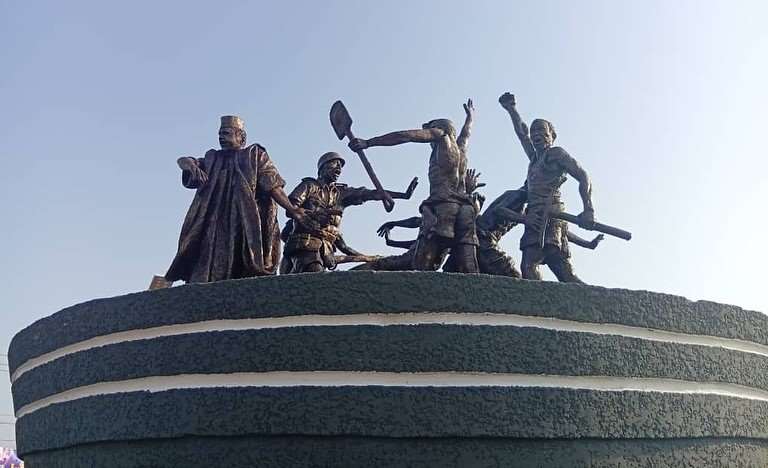
The Enugu State High Court has ordered the British government to pay £420 million in compensation over a colonial-era massacre.
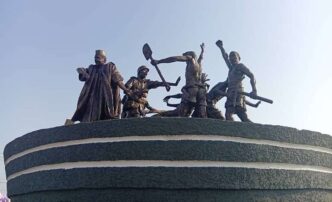
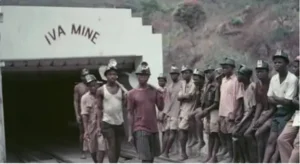
The ruling relates to the killing of 21 Nigerian coal miners at the Iva Valley coal mine in Enugu in 1949. More than seven decades later, justice has finally been pronounced.
Delivering the verdict, Justice Anthony Onovo declared that the killings were unlawful and violated the victims’ fundamental right to life.
According to the court, the actions of British colonial forces amounted to extrajudicial killings that can never be justified.
In addition, the court ordered the British government to issue a formal apology to the families of the slain miners.
The apology must be delivered through the victims’ lawyers and published in national newspapers in Nigeria and the United Kingdom.
Under the ruling, each affected family will receive £20 million in compensation. The court also awarded post-judgment interest at 10 percent per annum until the full sum is paid.
However, claims for pre-judgment interest and exemplary damages were dismissed. The suit was filed by human rights activist, Greg Onoh, who sought accountability and reparations for the historic injustice.
Respondents included the British government, the UK Foreign Office, the Head of the Commonwealth, and Nigerian authorities.
Meanwhile, Justice Onovo urged the Nigerian government to begin diplomatic engagement with the UK within 60 days. He said such steps are necessary to ensure that the judgment is respected and enforced.
The tragedy dates back to November 1, 1949, when coal miners in Enugu went on strike. They demanded better wages and safer working conditions at the Iva Valley coal mine.
However, the British colonial administration ordered the mine closed. When the miners resisted, colonial Police Chief, FS Philip, reportedly instructed soldiers to open fire.
The shooting claimed 21 lives, leaving families devastated and silenced for decades.
Justice Onovo stated clearly: “These defenceless coal miners were only asking for better working conditions. They did not attack anyone, yet they were shot and killed.”
The ruling described the massacre as unjust, cruel, and unacceptable under both Nigerian and international law. Furthermore, the court emphasized that time does not erase responsibility for grave human rights abuses.