


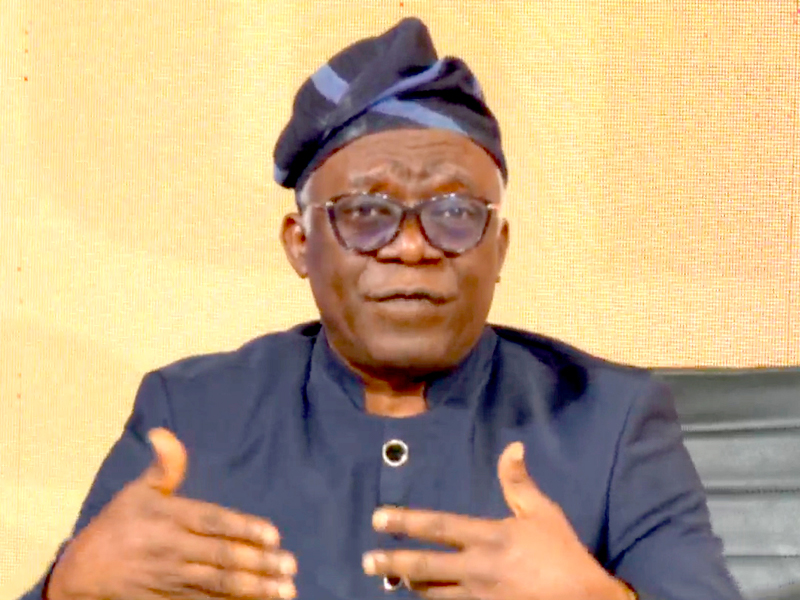
Human rights lawyer, Mr Femi Falana, SAN, has raised serious concerns over the alleged use of expired tear gas canisters by police operatives during last week’s protest in Makoko, Lagos.
The protest was organised against alleged illegal demolitions and forced evictions in the waterfront community. The development has sparked renewed public outrage and unexpected tension across the state.
Falana’s comments came amid growing reactions to the injuries sustained by protesters after a peaceful demonstration reportedly turned violent. The protest, led by activists Hassan Taiwo, popularly known as Soweto, and Dele Frank, was meant to draw attention to what residents described as unlawful demolitions. However, the situation reportedly escalated when tear gas was fired at close range.
Several protesters were injured during the clash. Consequently, human rights groups and civil society organisations condemned the police action. The incident has since placed the Lagos State Government and security agencies under intense scrutiny.
Speaking at the Lagos State University Teaching Hospital, LASUTH, Falana described the police response as unconstitutional and dangerous. He spoke while visiting protesters injured during the Makoko protest.
“In my over 40 years of participating in protests across the country, I have never seen tear gas canisters cause such severe injuries. The injury I have seen is not normal,” Falana said. He suggested that the damage could be linked to expired tear gas canisters.

Moreover, Falana stressed that the 1999 Constitution guarantees freedom of expression and peaceful assembly. He added that Nigerians do not require police permits to protest. According to him, the Police Establishment Act only requires protest organisers to notify the police, who must then provide security.
At LASUTH, Falana was briefed on the condition of Mrs Kafayat Muftaudeen, one of the injured protesters.
A Burns and Plastic Nurse, Mr Adedeji Hassan, explained that she sustained a severe leg injury. “She is fit to go home and will be coming to the hospital weekly for dressing,” Hassan said, adding that skin grafting would be done later.
Meanwhile, the Lagos State Government defended the demolition exercise in Makoko. At a joint ministerial briefing in Alausa, the Commissioner for Information and Strategy, Mr Gbenga Omotoso, said the action was taken to protect lives. He explained that many wooden structures were built under high-tension power cables.
In addition, the Governor’s Special Adviser on E-GIS and Urban Development, Dr Babatunde Olajide, said the demolition was part of a long-term safety plan. He noted that affected residents would be compensated after proper enumeration. “First thing is to save lives above other considerations,” Olajide said.
Furthermore, the Lagos State House of Assembly has summoned Makoko community leaders to a meeting on February 3, 2026. According to the Clerk of the House, Mr Olalekan Onafeko, the meeting followed a petition submitted by the communities.
Rights groups have also weighed in. The Centre for Human and Socio-Economic Rights condemned police actions and demanded investigations. Its president, Mr Alex Omoteshinse, said, “Peaceful protest is a constitutional right. Victims of demolition are citizens, not enemies.”
Therefore, as discussions continue, the Makoko demolition controversy remains a sensitive issue.