


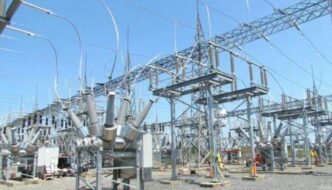
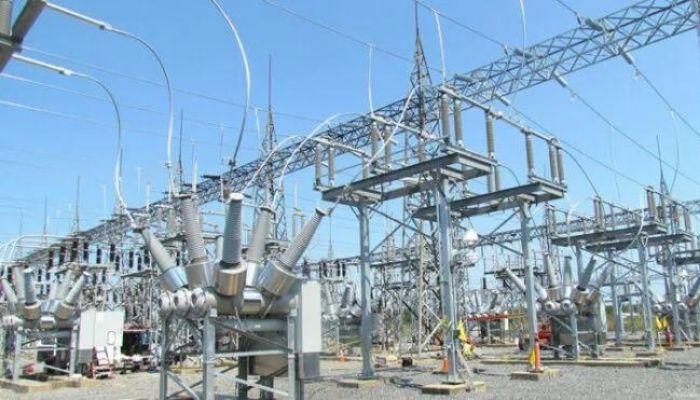
Nigeria’s electricity supply was disrupted again on Tuesday morning, leaving homes and businesses in the dark.
The outage occurred around 11 a.m., marking the second disturbance within just one month.
The previous grid collapse happened only four days ago, raising concerns among consumers and businesses.
According to data from the Nigerian Independent System Operator (NISO), total generation from two GENCOs stood at 219 megawatts (MW) at the time of filing this report.
Meanwhile, distribution across all 11 electricity distribution companies (DisCos) showed a total load of 220MW.
Benin and Ibadan DisCos received the highest allocations, at 65MW and 50MW respectively.
Moreover, Ikeja and Kaduna DisCos had 40MW each, while Abuja DisCo recorded the lowest allocation at 25MW.
These figures highlight the uneven distribution across the country, which has caused some areas to experience longer outages than others.
However, NISO’s Head of Communications, Mr. Kazah Akau, clarified the situation. In a phone interview, he said, “We are going to release a statement soon. What happened is not actually a collapse but a little disturbance.”
This explanation suggests that while the outage is inconvenient, it is not as severe as a full system collapse.
Meanwhile, some DisCos are taking steps to manage load and reduce the impact on customers.
Load allocation remains critical, especially in urban centers where demand is highest.
Therefore, accurate communication between NISO and the public is essential to prevent panic and confusion.
The repeated disturbances in less than a month highlight the urgency of investment in the sector.