

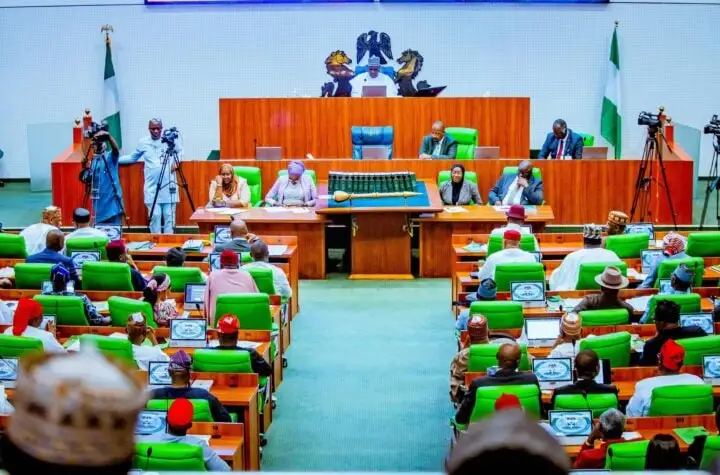
Nigeria’s Senate has taken a major step toward overhauling the country’s emergency response system.
The chamber has begun formal work on a bill that aims to introduce a single national emergency number for all Nigerians.
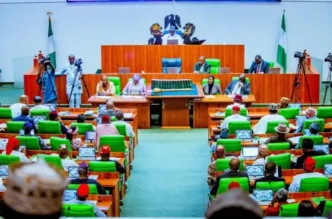
The proposal advanced on Tuesday during plenary after lawmakers considered it for second reading.
The push for the reform surprised several Nigerians online, however the development has been widely welcomed by safety advocates.
Many citizens have complained for years that the current system is confusing during tense moments.
Therefore, the bill has drawn renewed attention as calls grow for stronger emergency services.
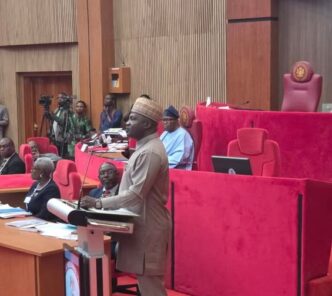
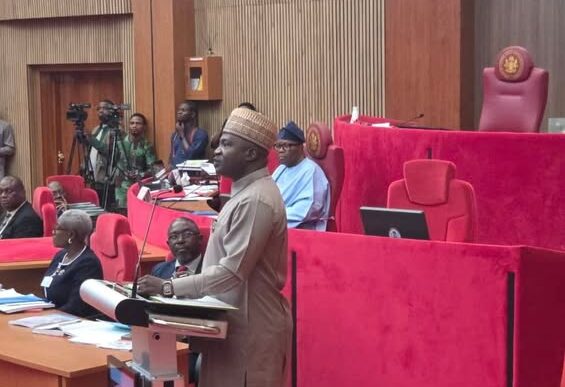
The legislation, known as the National Emergency Toll Service (NETS) Bill, is sponsored by Senator Abdulaziz Musa Yar’Adua.
He told lawmakers that the goal is to replace multiple hotlines with one easy-to-remember code.
According to him, the number is expected to be “112,” although the final choice will depend on the outcome of a public hearing.
Moreover, the senator stressed that Nigerians struggle with scattered lines for the police, fire service, ambulances, child protection units and disaster agencies.
He explained that this setup slows responses when every second matters.
He noted that the new system would ensure that “calls and text messages will be routed automatically to the nearest emergency response centre,” making it easier for people to get fast help.
In addition, Yar’Adua highlighted that Nigeria’s high mobile phone use makes the reform practical.
He added that over 90 per cent of Nigerians use mobile devices, which means the service will be accessible to nearly everyone.
Deputy Senate President Barau Jibrin supported the bill during debate.
He described the move as timely and added that it would “significantly improve public safety once implemented.”
Meanwhile, several lawmakers agreed that the fragmented system has been long overdue for an upgrade.
The bill has now been referred to the Senate Committee on Communications.
The committee has been directed to review the proposal and return with a report in four weeks.